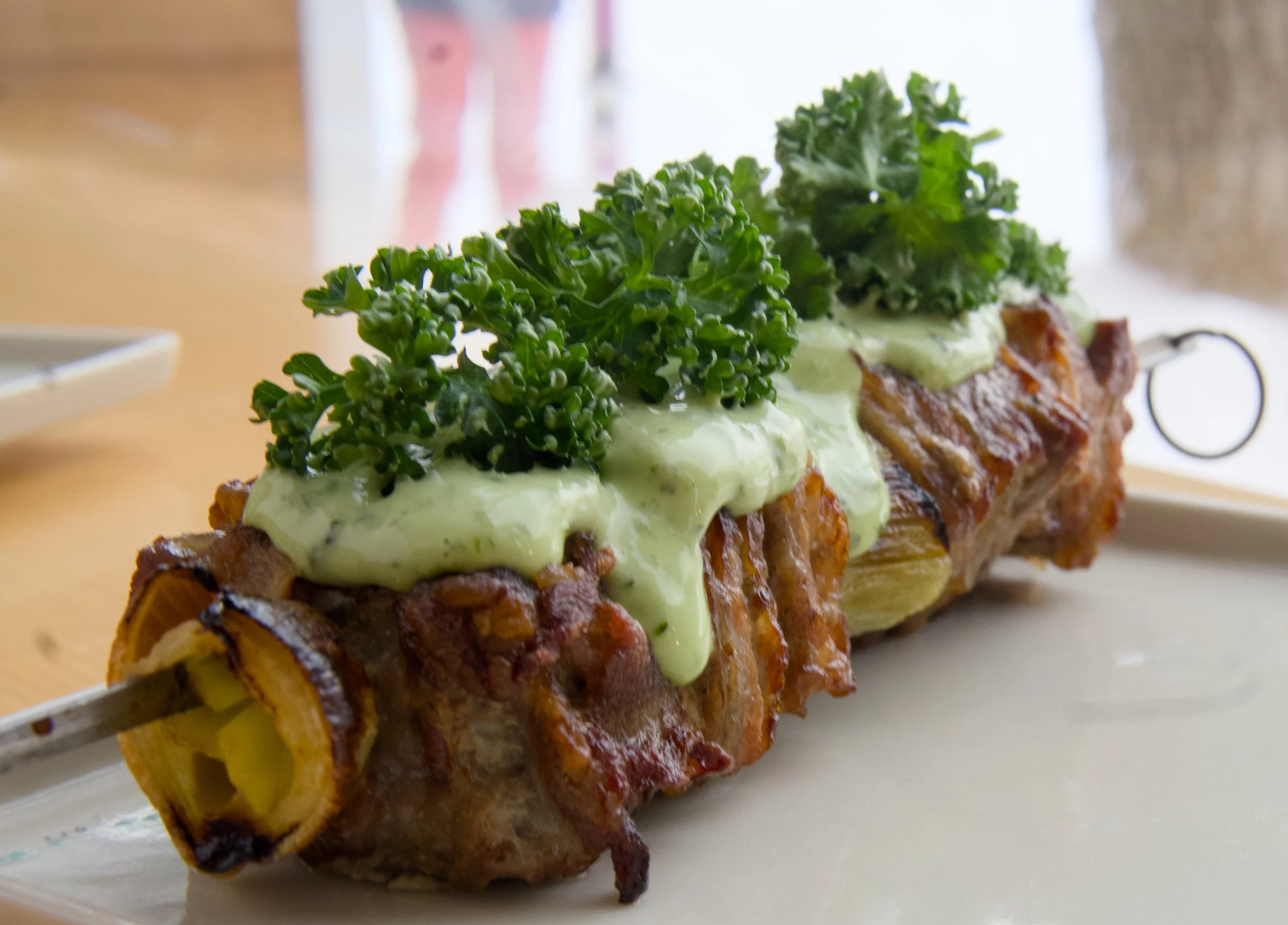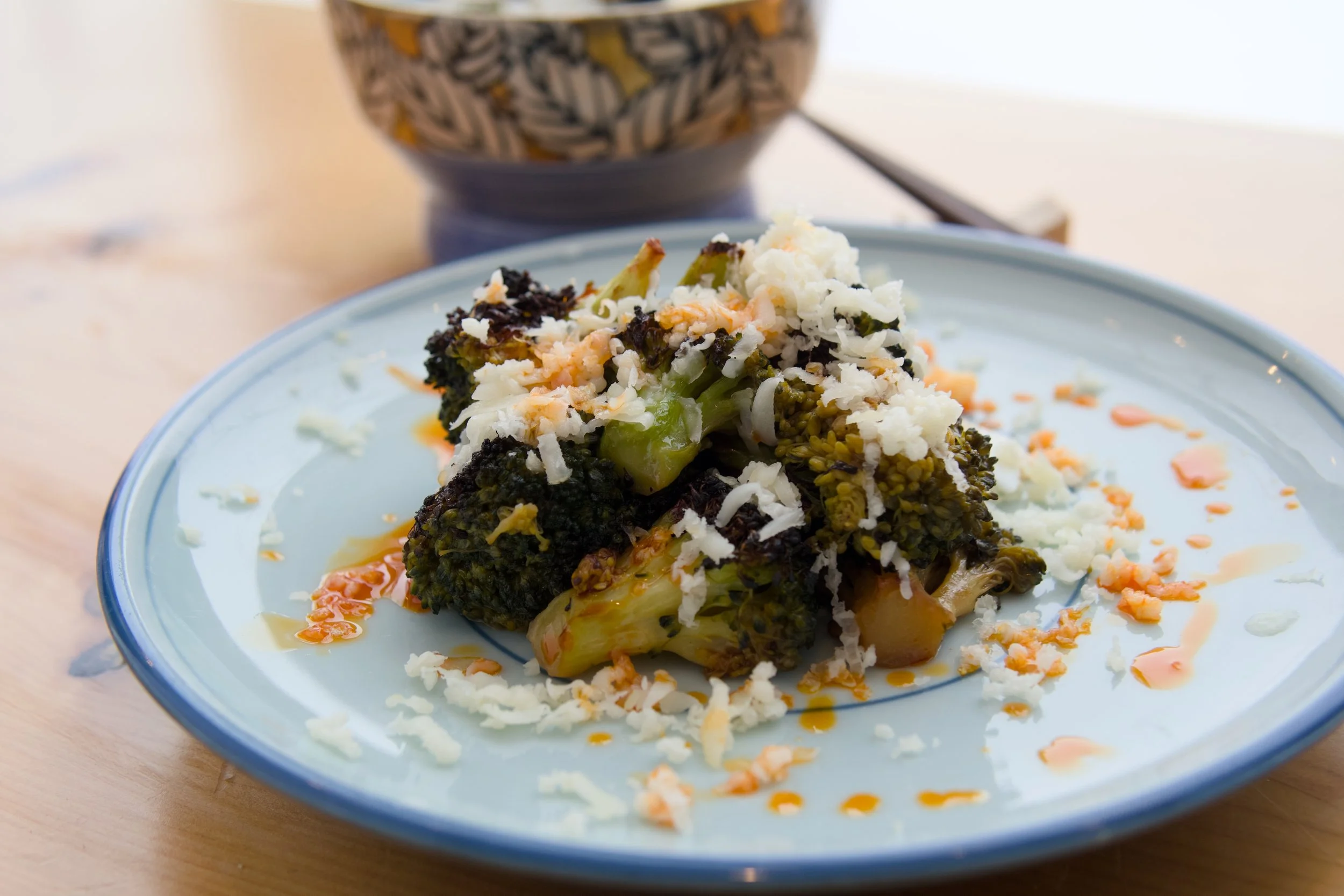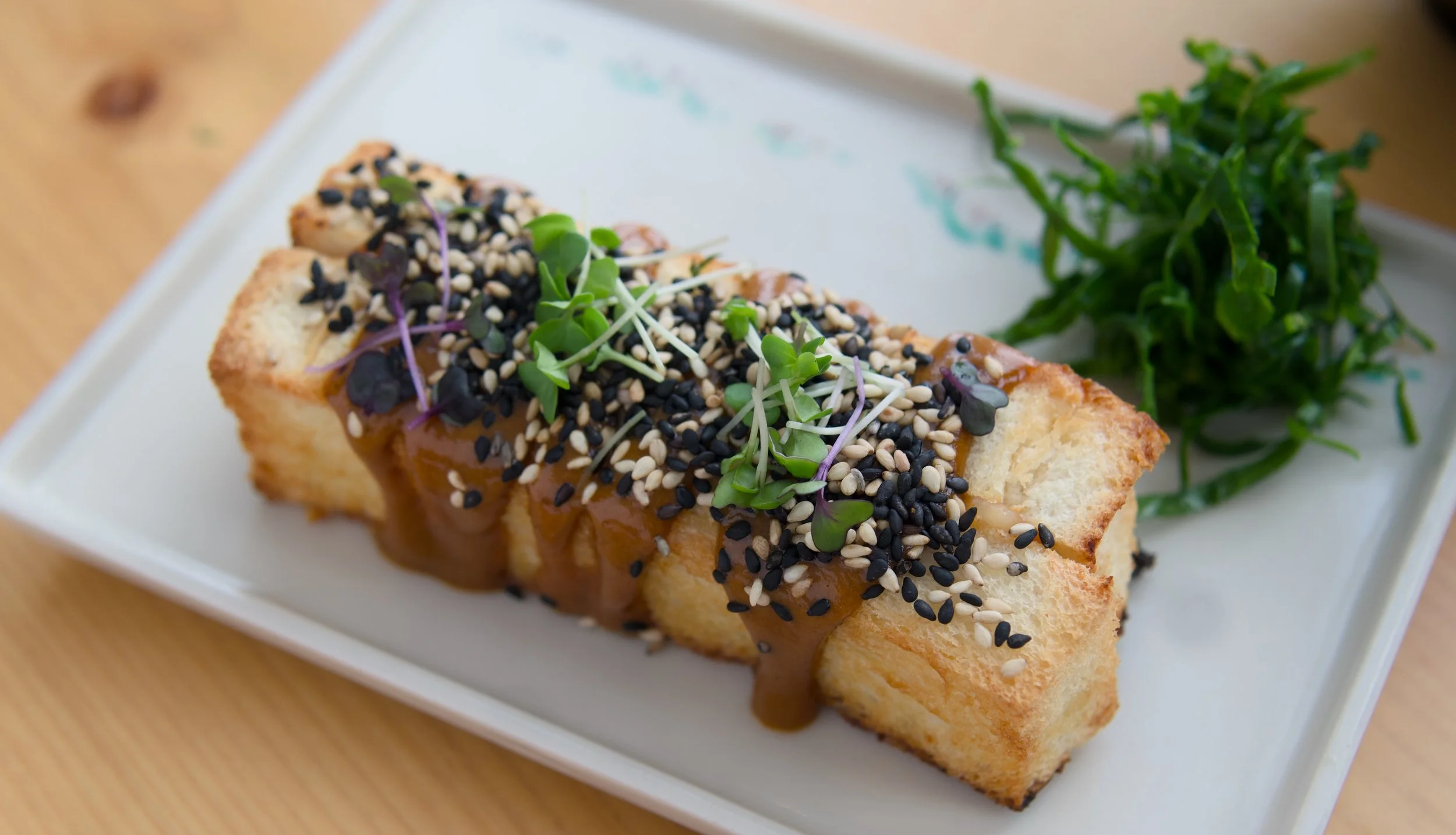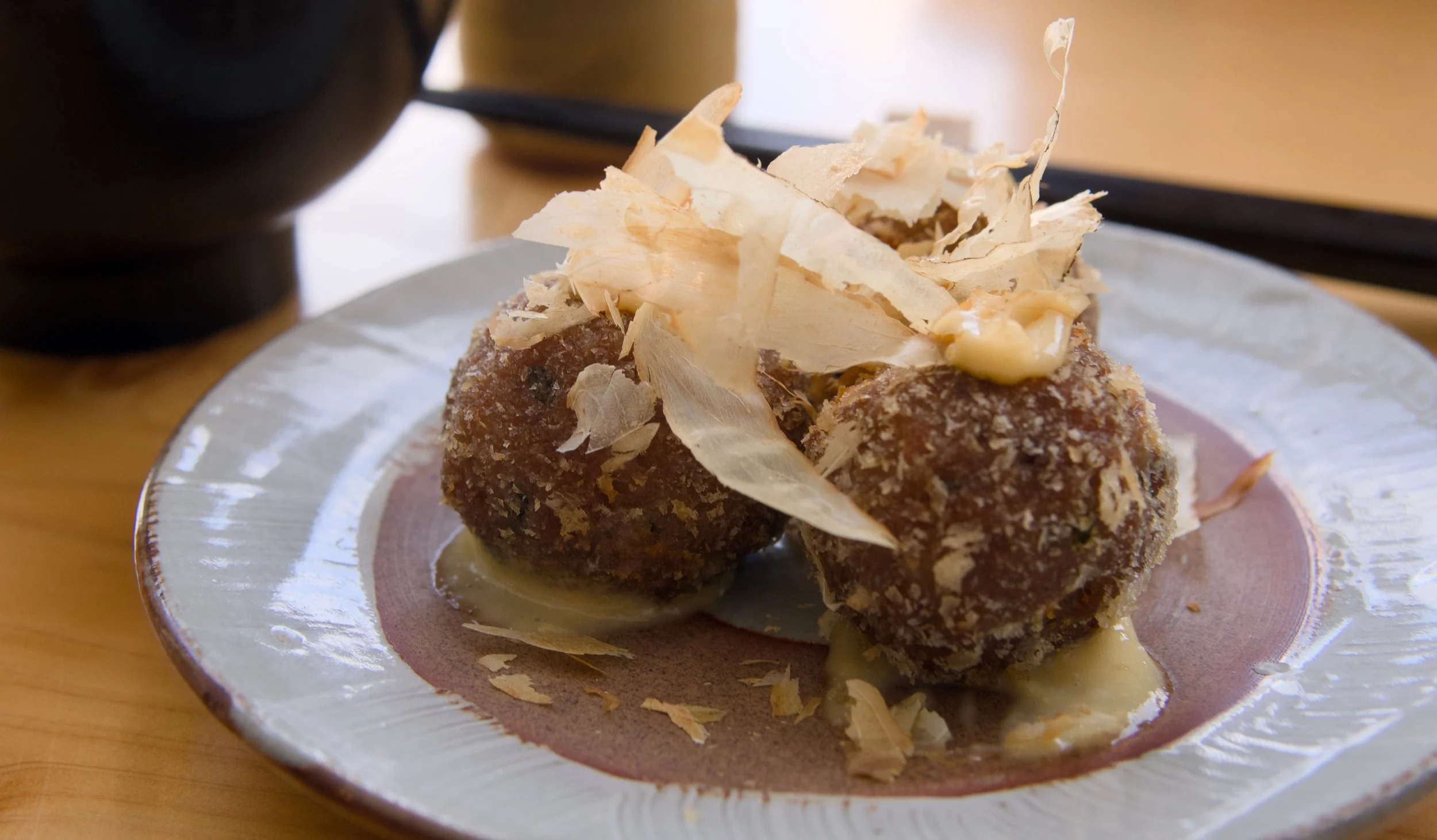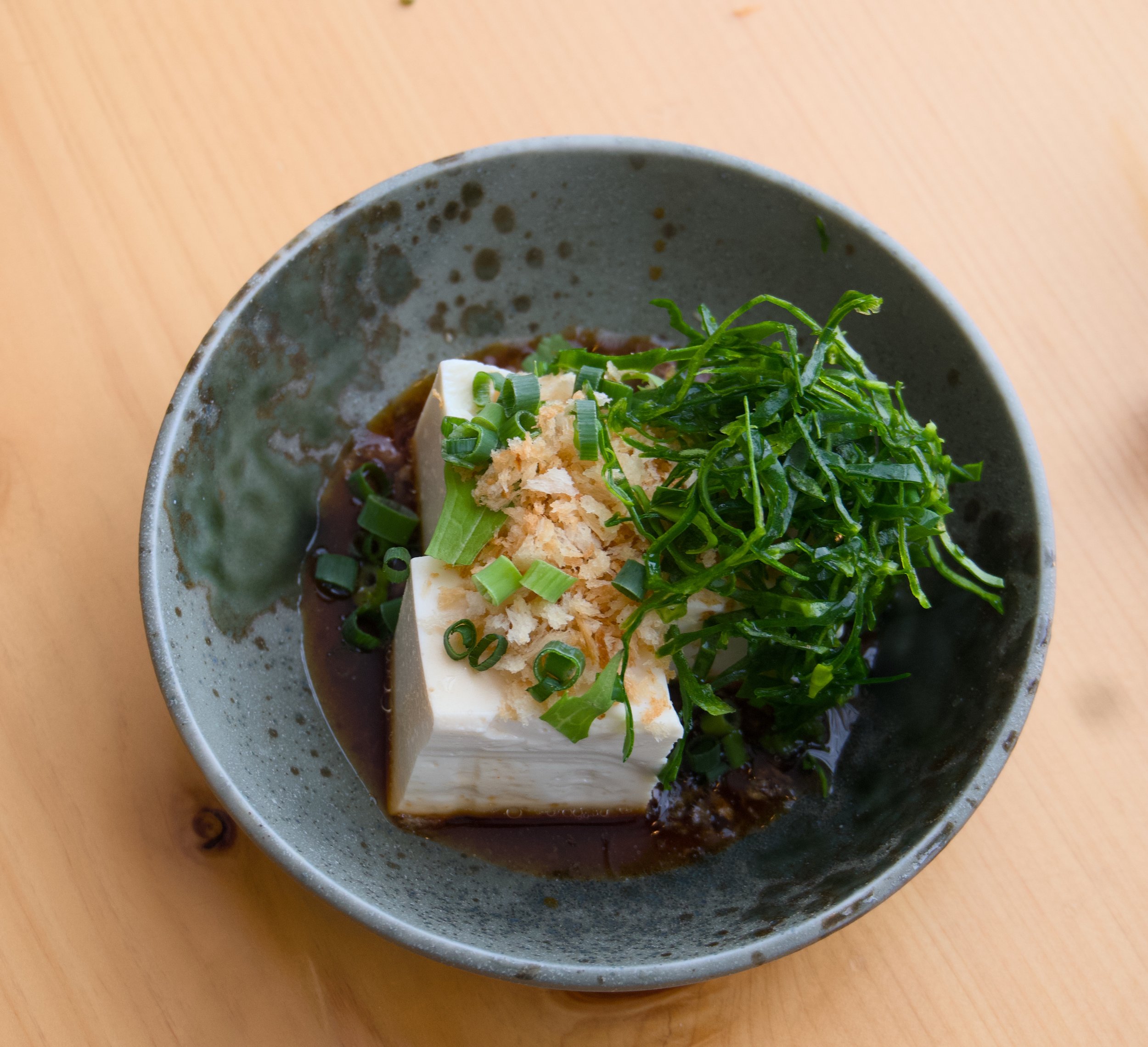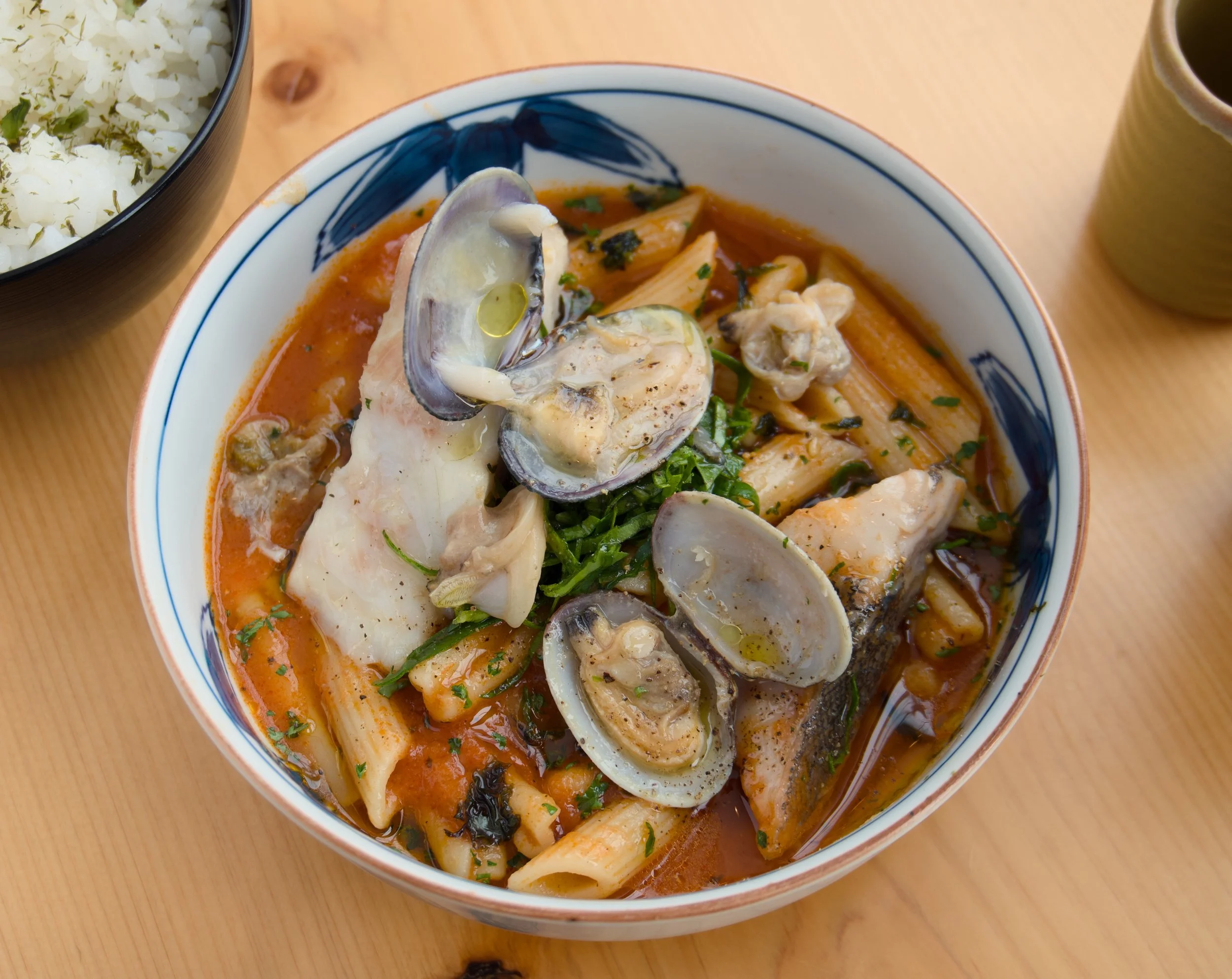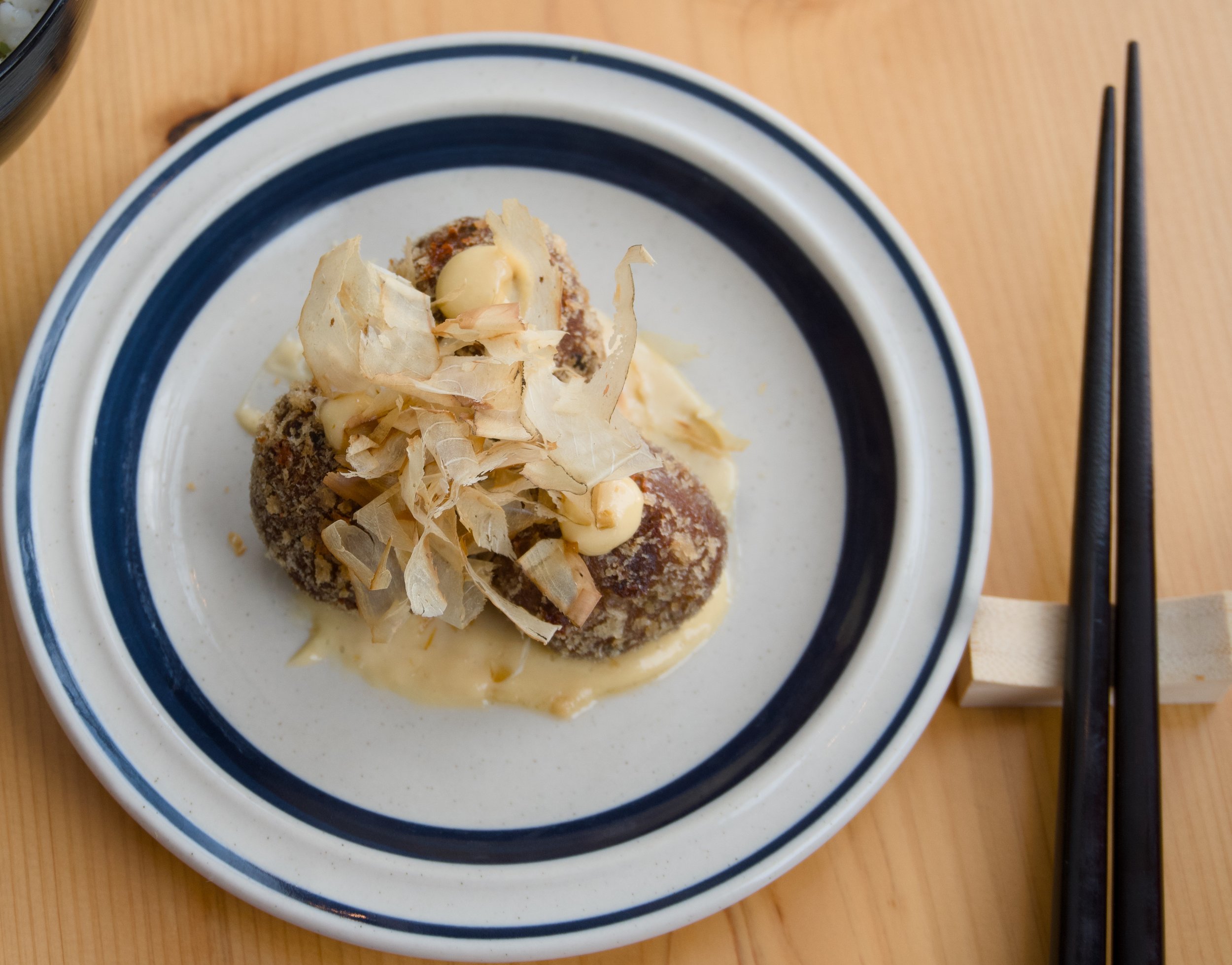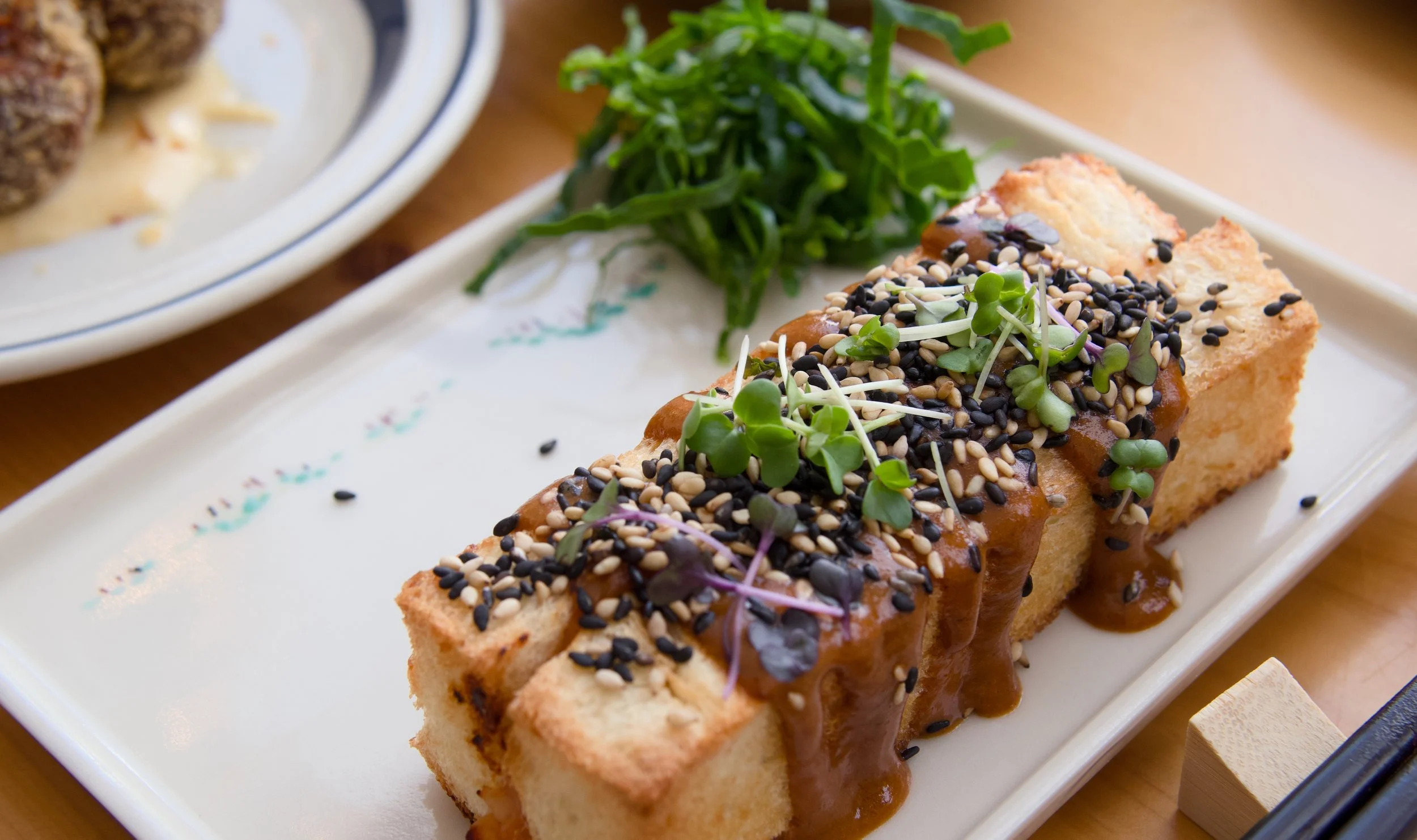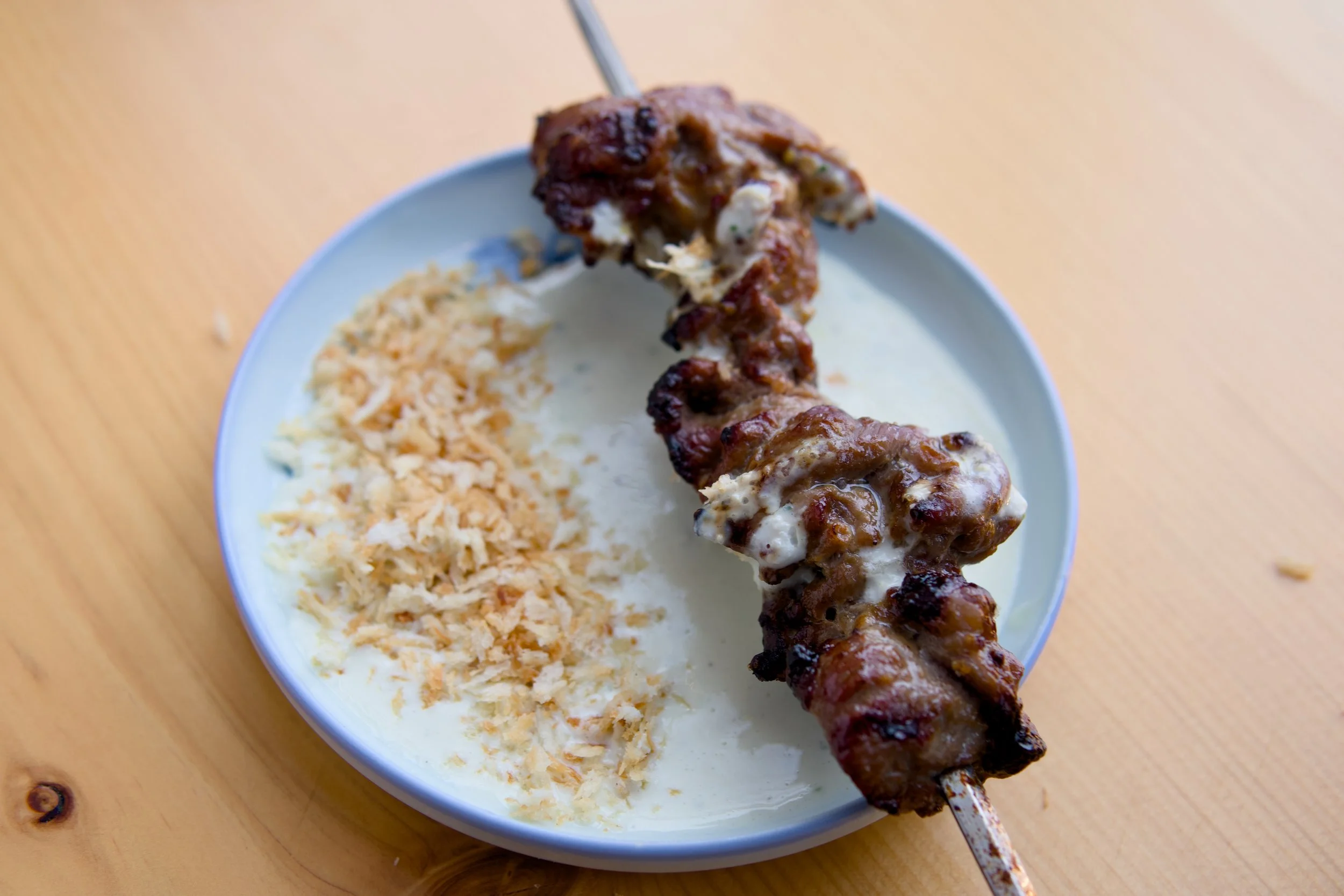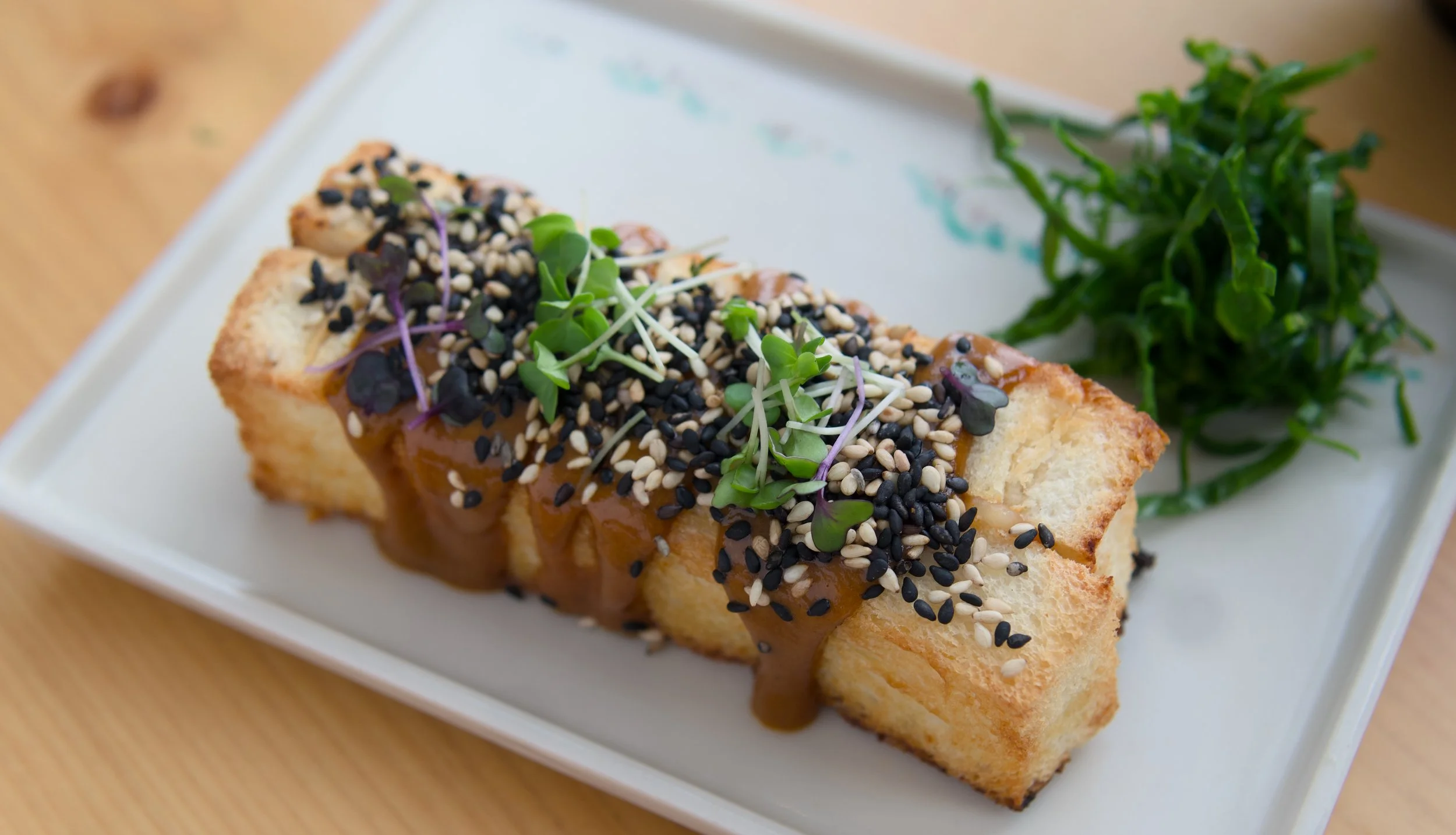
How a menu and recipe development service from an expert transformed a traditional Japanese winter lodge into a neo-izakaya destination — targeted at more demanding guests while preserving authentic techniques and local ingredients
The project brief
Client: a family-run mountain lodge in rural Japan, long known for hearty, traditional winter fare (nabemono, rice bowls, pickles, grilled mountain fish).
Goal: keep the lodge’s authenticity and local sourcing, but attract a more discerning, experience-oriented clientele — couples, food-focused travelers, and urban weekenders willing to pay for memorable small-plate dining.
Constraints: limited kitchen footprint, seasonal ingredient supply, staff with strong traditional technique but little experience in contemporary plating or pacing, tight capex budget.
Ingredient strategy — local, seasonal, profitable
Built a tight supplier list: a couple of reliable fishers, local mountain farmers for winter greens and mushrooms, and one fermenter for supplemental pickles.
Introduced cross-use of ingredients to reduce waste and increase margin: the same dashi base used in soups, nabe, and a signature hot‑pot dipping sauce; leftover grilled bones roasted into concentrated broth for the rice finish.
Created a seasonal “market plate” that allowed the kitchen to showcase surplus produce, reducing waste and keeping the menu dynamic.
Designed portion sizes and course timing to match neo-izakaya pacing — small plates delivered in waves rather than one large set course. This reduced peak kitchen load while encouraging guests to order more dishes across the evening.
Wrote clear run sheets for FOH to upsell pairings (local sake flights, warm shochu pairings, a “winter cocktail” using smoked tea) without sounding pushy.
Training and documentation
Ran hands-on workshops during a closed service week: cooks practiced the new recipes under real conditions, staff learned how to describe dishes and pair drinks.
Delivered a concise ops manual: standardized recipes with batch yields, plating photos, waste‑reduction notes, and a prep timeline that fits the lodge’s equipment and staff levels.