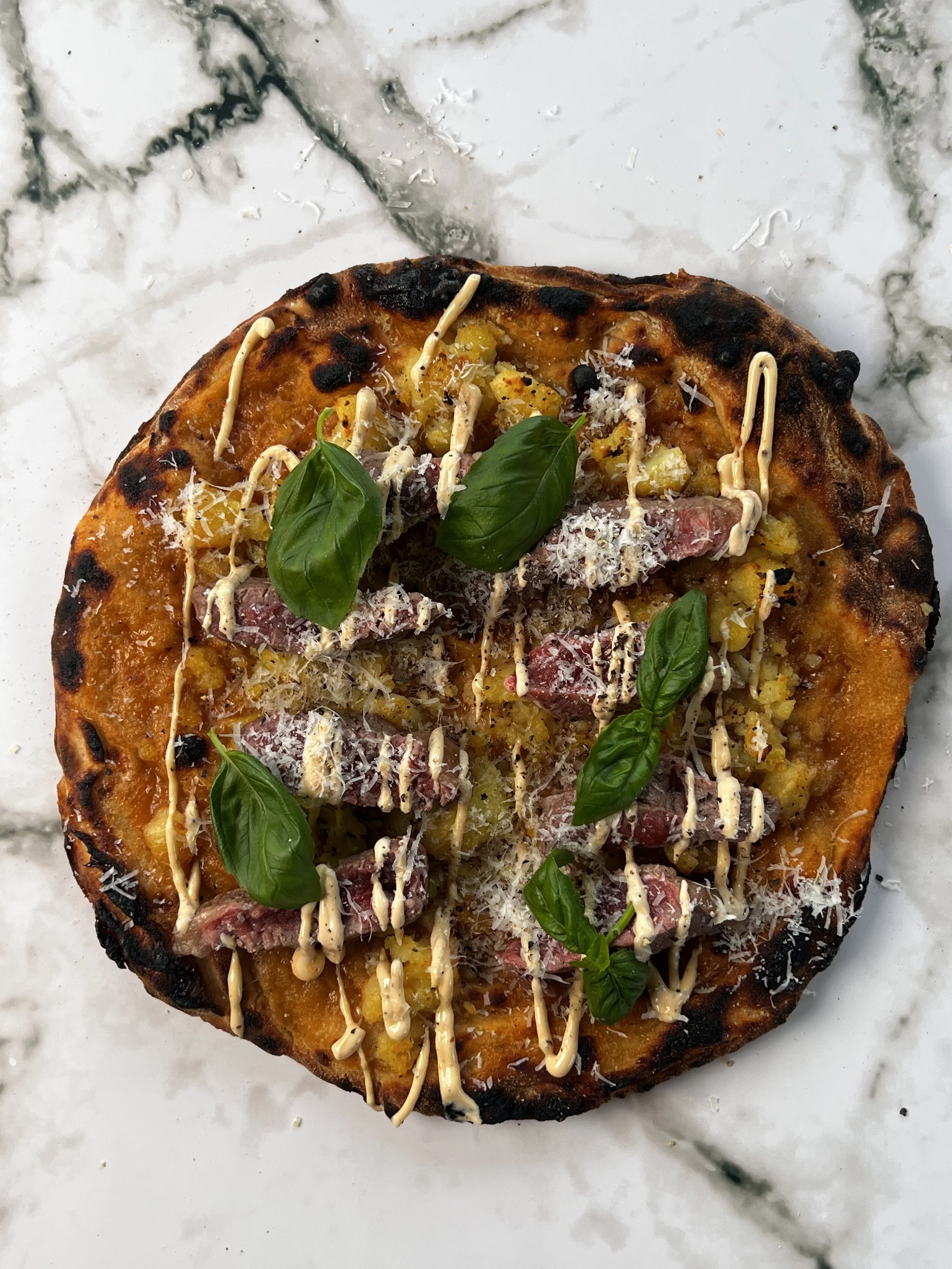
Sirloin & Truffle Pizza With Free Ingredient: Bone Jus Base
How your "waste" bones create restaurant-quality umami for nothing
You're throwing away bones from your meat station while buying expensive pizza bases and wondering why your food costs are crushing your margins?
Those bones you're paying to dispose of contain more concentrated flavor than anything you can buy. Beef jus made from kitchen bones costs you nothing but creates the deep, rich base that transforms a 12Euro pizza into something customers happily pay 18 for.
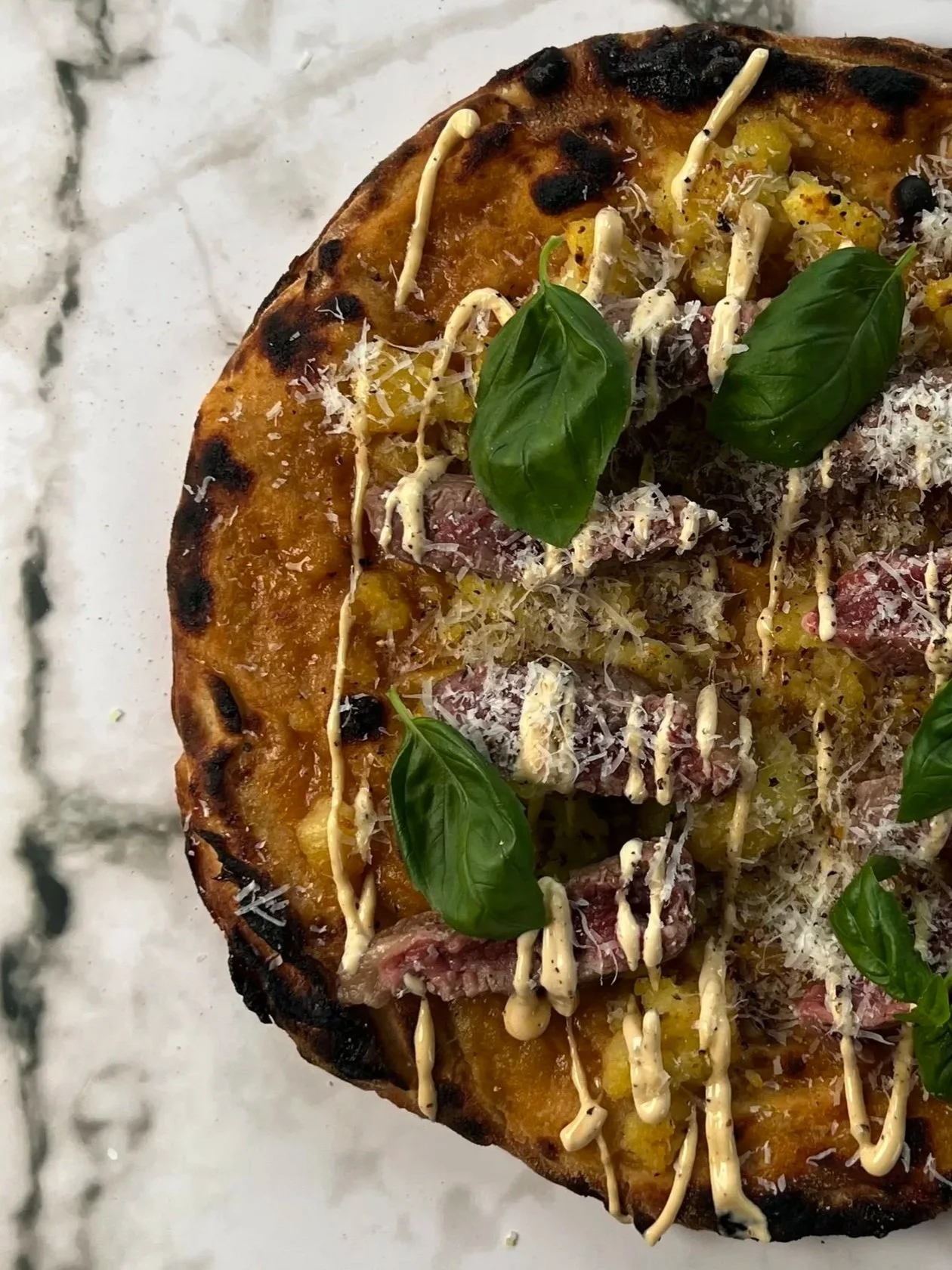
This Irish sirloin pizza shows how smart commercial recipe development turns your existing meat operations into a profit center instead of a waste stream.
The Economics of "Free" Flavor
What You're Currently Doing:
Buying bones for stock: 0 (you're discarding them)
Pizza sauce base: 2.50-4.00 euro per batch
Customer perception: Standard pizza pricing
What You Could Be Doing:
Bone jus production: 0 ingredient cost
Disposal reduction: 60-70% less bone waste
Pizza base upgrade: Premium positioning without premium ingredient costs
Customer willingness to pay: 30-40% higher pricing for "premium" offerings
The jus isn't free because it's worthless - it's free because you're already paying for the bones in your meat purchases.
The Technique That Turns Waste Into Profit
Bone Jus Development Roast beef bones from your daily meat prep at 425°F until deeply browned. Deglaze roasting pans with red wine, add bones to stock pot with aromatics. Simmer 12-18 hours until reduced to syrup consistency.
One batch from a weekend's worth of bones yields 2-3 quarts of concentrated jus - enough for 40-50 pizzas.
Pizza Base Application Brush concentrated jus directly onto pizza dough before adding other toppings. The high heat caramelizes the jus while creating an umami foundation that makes every other ingredient taste more intense.
Sirloin Integration Sear Irish sirloin quickly to medium-rare, slice thin against the grain. The jus base amplifies the beef flavor, making smaller portions taste more substantial.
Truffle Mayo Strategy Mix a small amount of truffle paste (not whole truffles) into high-quality mayonnaise. Apply sparingly after baking - you need maybe 1/4 teaspoon of actual truffle per pizza to create the aroma customers associate with luxury.
When "Premium" Toppings Fail
Flavor Amplification vs. Addition Most restaurants add expensive ingredients thinking more = better. This approach uses free umami to amplify existing flavors, making everything taste more expensive than it actually is.
Customer Psychology Diners taste the depth and richness first, then see premium ingredients like sirloin and truffle. They assume the entire experience is expensive when the base flavor came from your waste stream.
Operational Integration You're already handling bones from meat preparation. The jus production happens during slow periods and requires no additional labor during service.
Menu Development Services Integration Strategy
For Restaurant-Pizzeria Operations: Your existing meat program becomes a pizza profit center. Every steak dinner sold creates the base for 3-4 premium pizzas with zero additional ingredient costs.
Cross-Utilization Benefits:
Bone waste reduction
Premium positioning without premium costs
Staff efficiency through integrated prep systems
Inventory optimization across menu categories
Scaling Approach: Larger meat operations = more bone jus production capacity. High-volume steak restaurants can supply pizza operations with virtually unlimited umami base.
Commercial Recipe Development
Traditional Premium Pizza Costs:
Expensive imported base: 3-4 Euro per pizza
Premium proteins: 6-8 Euro per pizza
Specialty ingredients: 2-3 Euro per pizza
Total ingredient cost: 11-15 Euro per pizza
Bone Jus Pizza Costs:
Jus base: 0 (from waste bones)
Quality sirloin: 4-5 per pizza (smaller portions amplified by jus)
Truffle mayo: 0.50 per pizza (minimal truffle paste needed)
Total ingredient cost: 4.50-5.50 per pizza
Same customer experience, 60% lower ingredient costs.
Food Formulation Services
Jus Consistency Standards: Proper reduction creates syrup-like consistency that brushes evenly and caramelizes properly during pizza baking. Under-reduced jus burns, over-reduced becomes bitter.
Storage and Portioning: Cool jus portions into ice cube trays for easy portioning. Each cube = one pizza base. Frozen jus portions store 3-4 months without quality loss.
Quality Indicators: Good jus coats a spoon, has deep brown color, and tastes intensely beefy without saltiness. If it tastes salty, you've reduced too far.
Pizza Menu Development Positioning Strategy
Menu Language: "Slow-reduced beef jus base" sounds sophisticated and justifies higher pricing. Customers understand they're paying for technique and time, not just ingredients.
Staff Training Points: Servers explain the bone jus process briefly - "We make this base from bones roasted in-house daily." Customers appreciate the craftsmanship story.
Pricing Psychology: Position near other premium offerings. The jus base allows competitive pricing with higher-cost alternatives while maintaining superior profit margins.
Smart Resource Management
The Real Innovation: Recognizing that waste streams from one operation become profit centers for another when you understand the underlying value.
Long-term Benefits: Reduced disposal costs, improved profit margins, premium positioning capability, and operational efficiency all from better resource utilization.
Competitive Advantage: Most restaurants see bones as waste disposal problems. You're creating premium pizza bases that competitors cannot replicate without changing their entire approach to resource management.
Your Hidden Profit Center
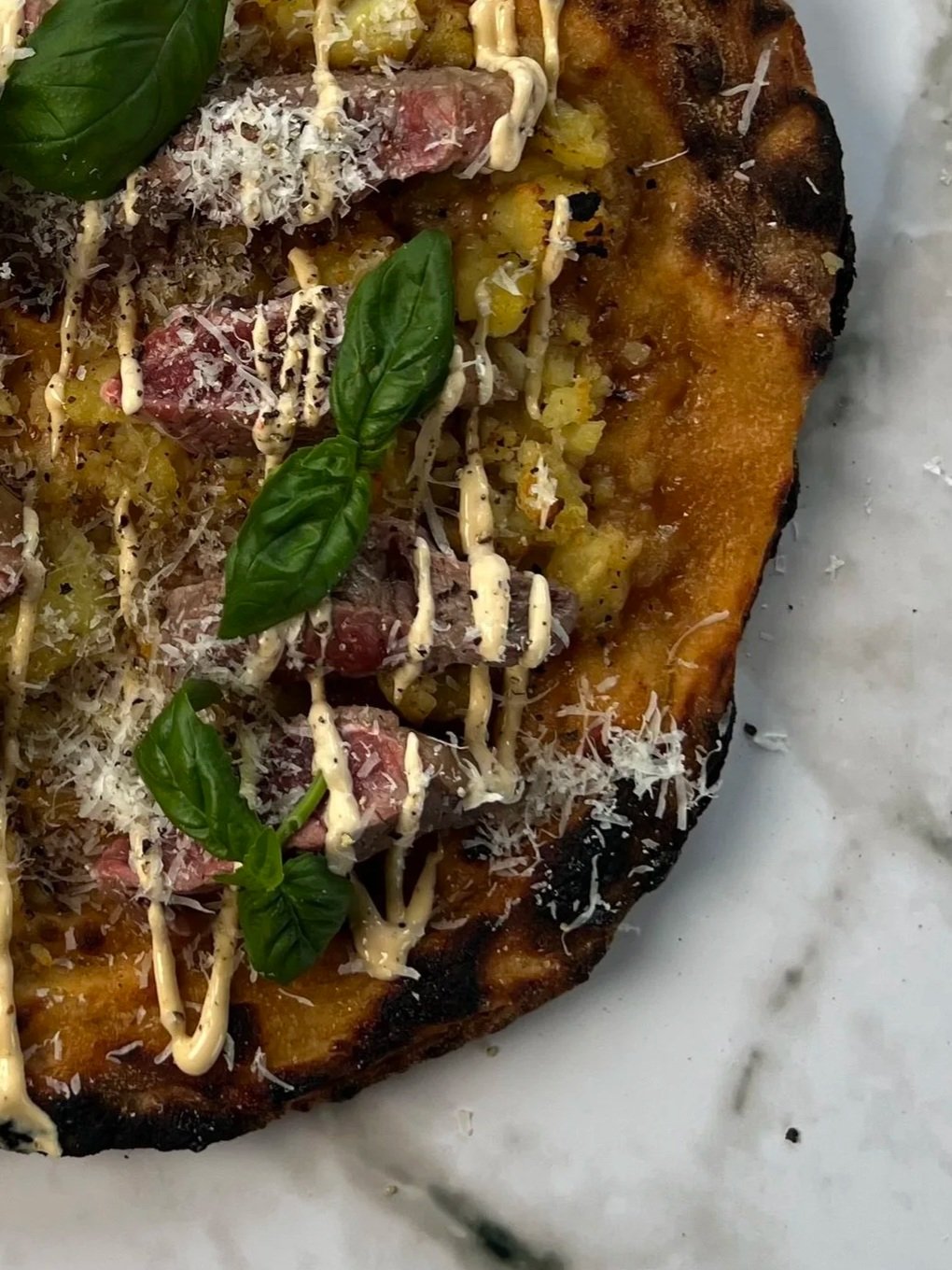
This sirloin pizza demonstrates that the best commercial recipe development often comes from recognizing value in what you're currently discarding.
Smart restaurants understand that integrated operations create competitive advantages. Your meat program waste becomes your pizza program's secret weapon - zero ingredient costs, maximum flavor impact, premium positioning capability.
While competitors buy expensive bases and struggle with food costs, you're proving that understanding your entire operation creates profit opportunities they cannot see or replicate.