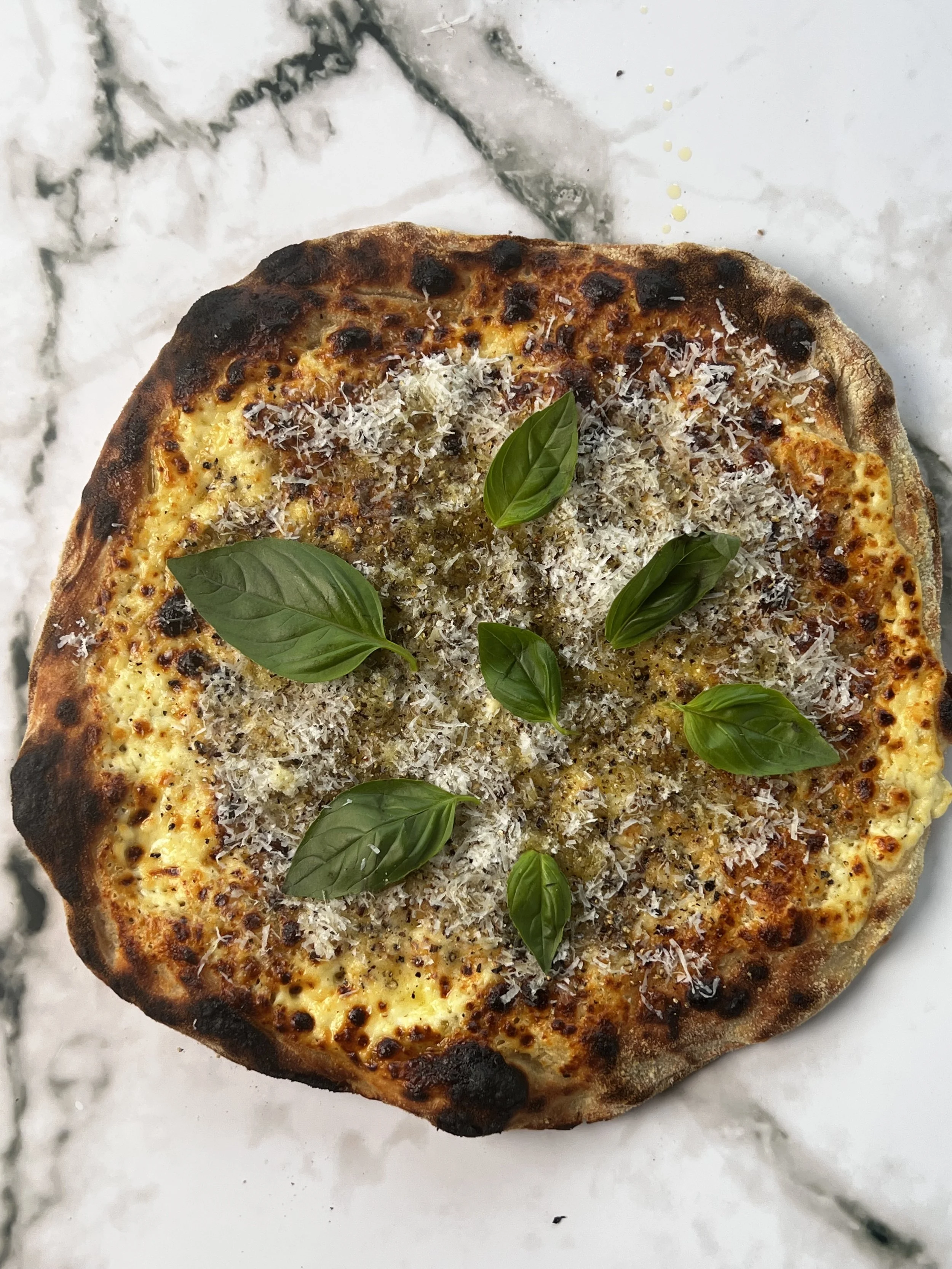
Cacio e Pepe Pizza Makes Four-Cheese Look Amateur (And Costs Half as Much)
How Roman technique creates elegant cheese pizza without the greasy mess
Your four-cheese pizzas are swimming in grease, overwhelming customers, and killing your food costs while Italian restaurants serve three-ingredient masterpieces that customers remember for months.
The problem isn't your cheese selection - it's your technique. Cacio e pepe pizza uses pecorino romano fondue as a base and a carefully crafted cheese "sand" on top to create layers of flavor that develop as customers eat, instead of hitting them with a wall of dairy fat.
This approach cuts cheese costs 40-50% while creating a more sophisticated experience that justifies higher pricing.
Four-Cheese Pizza Usually Fails
The Standard Approach Problems:
Multiple cheeses melt at different rates
Grease pools create soggy crusts
Competing flavors muddle instead of harmonize
High costs from using multiple premium cheeses
Customer palate fatigue from overwhelming richness
Customer Experience Reality: Most four-cheese pizzas taste great for the first bite, then become heavy and monotonous. Customers finish them because they paid for them, not because they're enjoying them.
The Roman Solution: Layered Cheese Experience
Foundation: Pecorino Romano Fondue Create a proper fondue using aged pecorino romano, pasta water (or pizza dough water), and technique. This goes on the dough before baking and creates a creamy, sharp base that won't separate or become greasy.
The fondue melts and sets during baking, creating a flavor foundation that supports rather than competes with the top application.
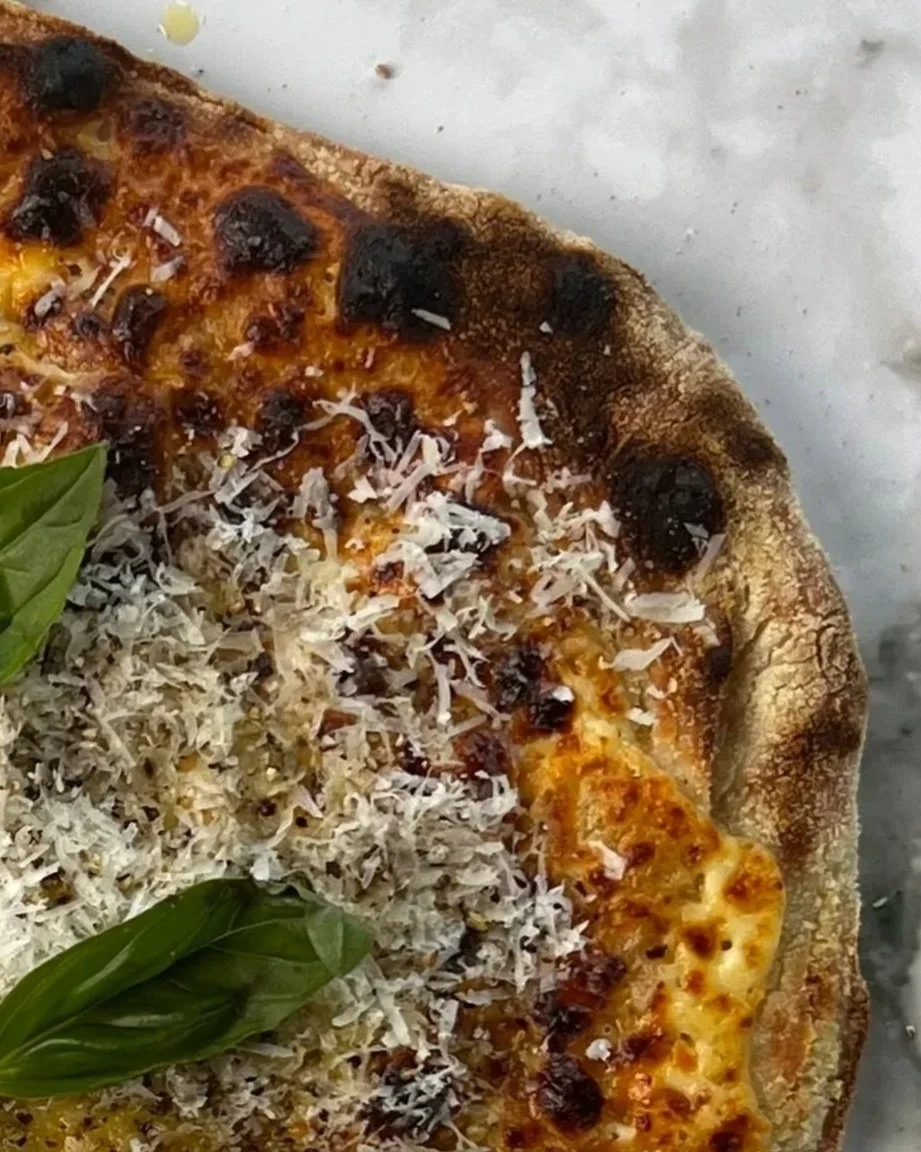
Top Layer: Progressive Cheese Sand After the pizza comes out of the oven while still hot, apply a mixture of finely grated cheeses that melt slowly from the pizza's residual heat. This creates a progressive tasting experience as different cheeses melt at different rates.
The Three-Cheese Blend:
50% Pecorino Romano (sharp, salty base)
30% Parmigiano-Reggiano (nutty, complex middle notes)
20% Young Pecorino or Caciocavallo (mild, creamy finish)
Grate extremely fine - almost powder consistency - so it melts gradually instead of forming distinct cheese pools.
Commercial Recipe Development
Traditional Four-Cheese Costs:
Gorgonzola: 12-15 euro /kg
Fresh mozzarella: 8-12 euro/kg
Gruyère or similar: 15-18 euro/kg
Parmesan: 20-25/kg
Average cost per pizza: 4-6 euro in cheese alone
Cacio e Pepe Costs:
Aged Pecorino Romano: 8-10/kg (but used in fondue base + sand)
Parmigiano-Reggiano: 20-25/kg (small amounts in sand)
Young pecorino: 10-12/kg (accent amounts only)
Average cost per pizza: 2-3 Euro in cheese total
Better flavor, more sophisticated technique, half the ingredient costs.
The Technique That Creates Progressive Flavor
Fondue Base Preparation Heat pecorino romano with hot pasta water (starchy water works best) until smooth and creamy. Season with freshly cracked black pepper. This creates a sauce-like consistency that spreads evenly and won't break during baking.
Temperature Timing The fondue goes on cool dough and sets during the high-heat baking process. The cheese proteins bind properly without separating into oil and solids.
Sand Application Technique Remove pizza from oven, immediately sprinkle the fine cheese blend over the surface. The residual heat melts the cheeses gradually, creating different melting stages as customers eat.
Progressive Melt Experience First bite: Pecorino sharpness dominates Middle bites: Parmigiano nutty flavors develop Final bites: Mild cheese creaminess emerges
Each bite tastes different, keeping customers engaged throughout the entire pizza.
Menu Development Services
Elegant Alternative Marketing Position this as the "sophisticated" cheese pizza option. Use menu language like "Roman-style three-cheese technique" or "Traditional cacio e pepe pizza preparation."
Price Positioning Charge 15-20% more than standard cheese pizza but 10-15% less than four-cheese options. Customers perceive better value while you maintain higher margins.
Staff Training Points Servers explain the progressive melting technique briefly: "The cheeses melt at different rates so each bite tastes different." Creates anticipation and justifies the technique premium.
Pizza Menu Development Operational Advantages
Prep Efficiency Fondue base can be made in batches and held warm in bain-marie. Cheese sand mix stores refrigerated for 3-4 days without quality loss.
Service Speed Assembly is faster than arranging multiple cheese varieties. One application of fondue base, one sprinkle of sand mix after baking.
Quality Consistency Technique-based rather than ingredient-arrangement-based. Results are consistent regardless of staff experience with cheese placement.
Customer Education Strategy
Menu Description "Traditional Roman cacio e pepe technique with aged pecorino romano fondue base and progressive three-cheese blend that melts in layers as you eat."
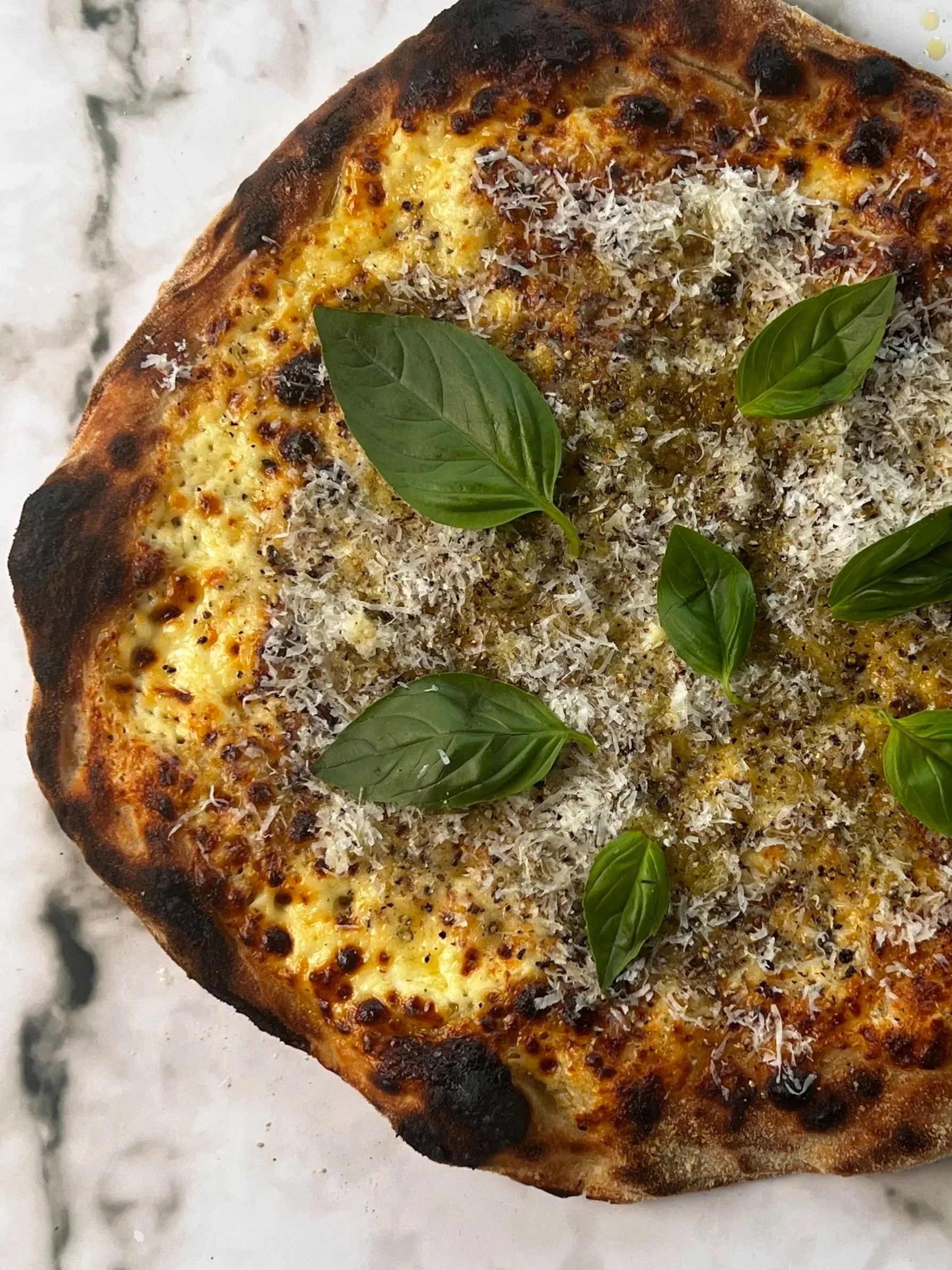
Visual Presentation The cheese sand creates an elegant, uniform appearance that looks sophisticated rather than heavy. No visible cheese chunks or grease pools.
Taste Experience Explanation Servers can mention how the flavors develop: "You'll notice different cheese flavors coming through as the blend melts from the pizza's heat."
Recipe Engineering
Ingredient Quality Focus Using fewer, better cheeses allows for higher-quality sourcing within similar budgets. Customers taste the difference in aged pecorino versus processed alternatives.
Technique Mastery Success depends on fondue preparation and sand application timing rather than expensive ingredient selection. Staff training focuses on execution rather than sourcing.
Consistency Through Process Clear procedures create reproducible results: fondue texture standards, sand grating specifications, application timing protocols.
The Roman Philosophy Applied
Less Is More Romans perfected cacio e pepe with three ingredients: cheese, pepper, technique. The pizza application follows the same philosophy - maximum impact through precise execution rather than ingredient accumulation.
Progressive Experience Traditional cacio e pepe builds flavor as you eat it. This pizza adaptation creates the same progressive development that keeps diners engaged.
Technique Over Expense Roman cuisine achieves sophistication through mastering simple techniques rather than using expensive ingredients. This approach scales perfectly for commercial operations.
Your Competitive Advantage
This cacio e pepe pizza demonstrates that understanding traditional techniques creates modern competitive advantages. While competitors pile on expensive cheeses and struggle with consistency and costs, you're offering sophisticated experiences that customers recognize as superior.
Smart commercial recipe development uses technique mastery to create better flavors at lower costs. The result: happier customers, improved margins, and differentiation that competitors cannot easily replicate without learning entirely new approaches.
Roman simplicity isn't primitive - it's perfected. Your pizza program benefits when you understand why traditional techniques work and adapt them for modern commercial success.