Sicilian Caponata Pizza: When Traditional Technique Meets Modern Menu Innovation
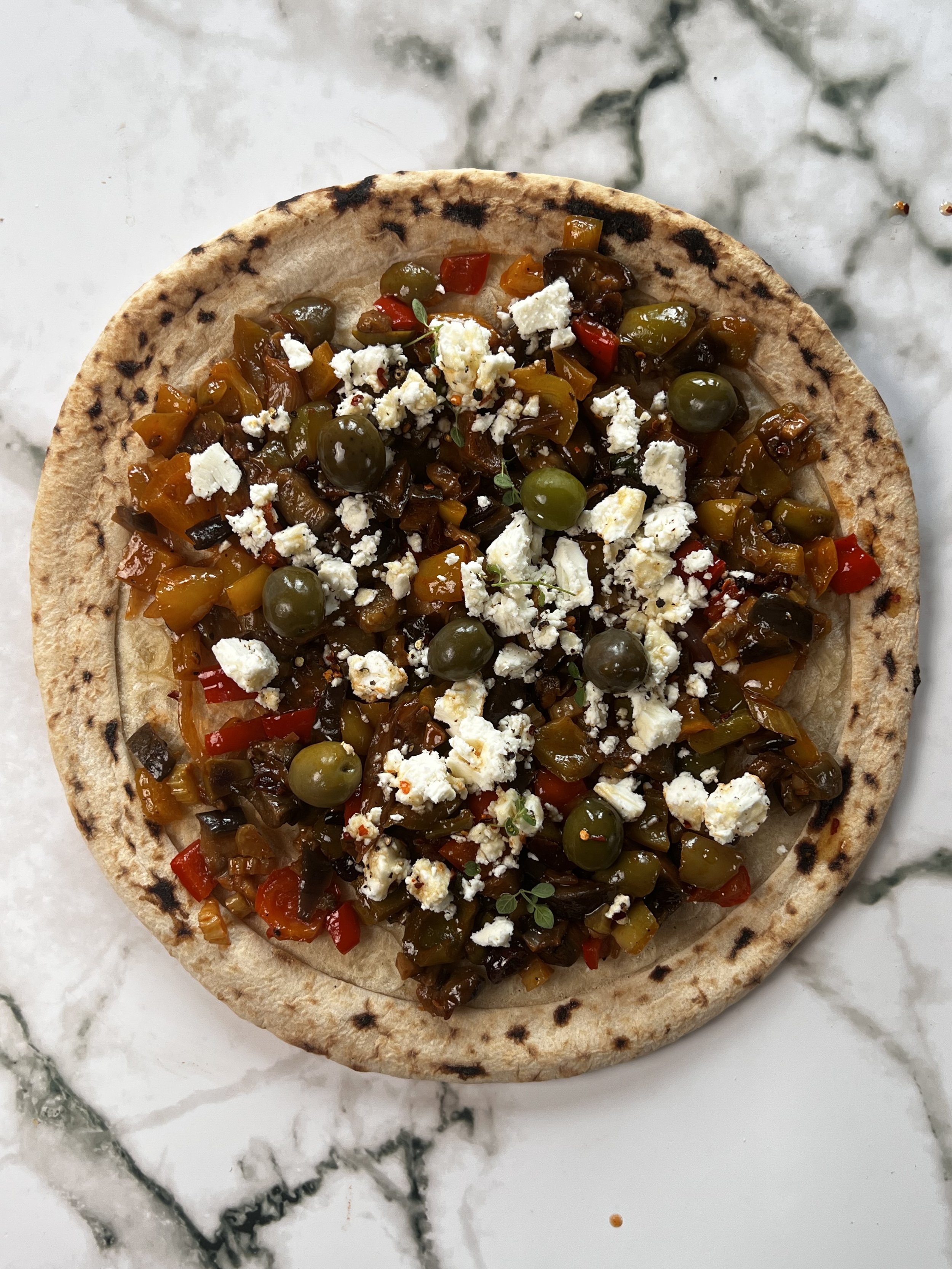
How ancient preservation methods create contemporary commercial success
You're still buying expensive imported toppings while ignoring centuries-old Sicilian preservation techniques that create better flavors at lower costs?
That's not just missing tradition - it's missing profit opportunities.
This caponata pizza proves you can transform traditional preservation methods into signature commercial recipe development while honoring techniques that have sustained Mediterranean kitchens for generations. The secret isn't exotic ingredients - it's understanding why preservation techniques create superior flavor profiles.
The Recipe Engineering of Sicilian Preservation
Traditional caponata wasn't created as a side dish - it was engineered to preserve summer vegetables through winter months while creating complex flavors impossible with fresh ingredients alone. The Original Solution: How do you maximize vegetable shelf life while improving flavor intensity?
The Sicilian Answer: Controlled cooking and acidulation creates concentrated flavors that improve with time.
The Commercial Application: Batch-prepared caponata provides consistent, complex toppings with extended holding capabilities.
Foundation Technique: Traditional Caponata Method
Eggplant and Pepper Preparation Salt-drawing and controlled sautéing removes bitterness while concentrating flavors. This isn't just cooking vegetables - it's recipe engineering that transforms texture and eliminates the watery release that destroys pizza crusts.
Acidulation Balance Traditional vinegar integration creates flavor complexity and natural preservation. The acid component balances the richness of olive oil while preventing bacterial development during commercial storage.
Commercial Scaling Benefits:
Extended shelf life reduces waste
Flavor improves during storage periods
Consistent quality across different preparation batches
Labor efficiency through advance preparation
Modern Innovation: Feta and Maple Chili Integration
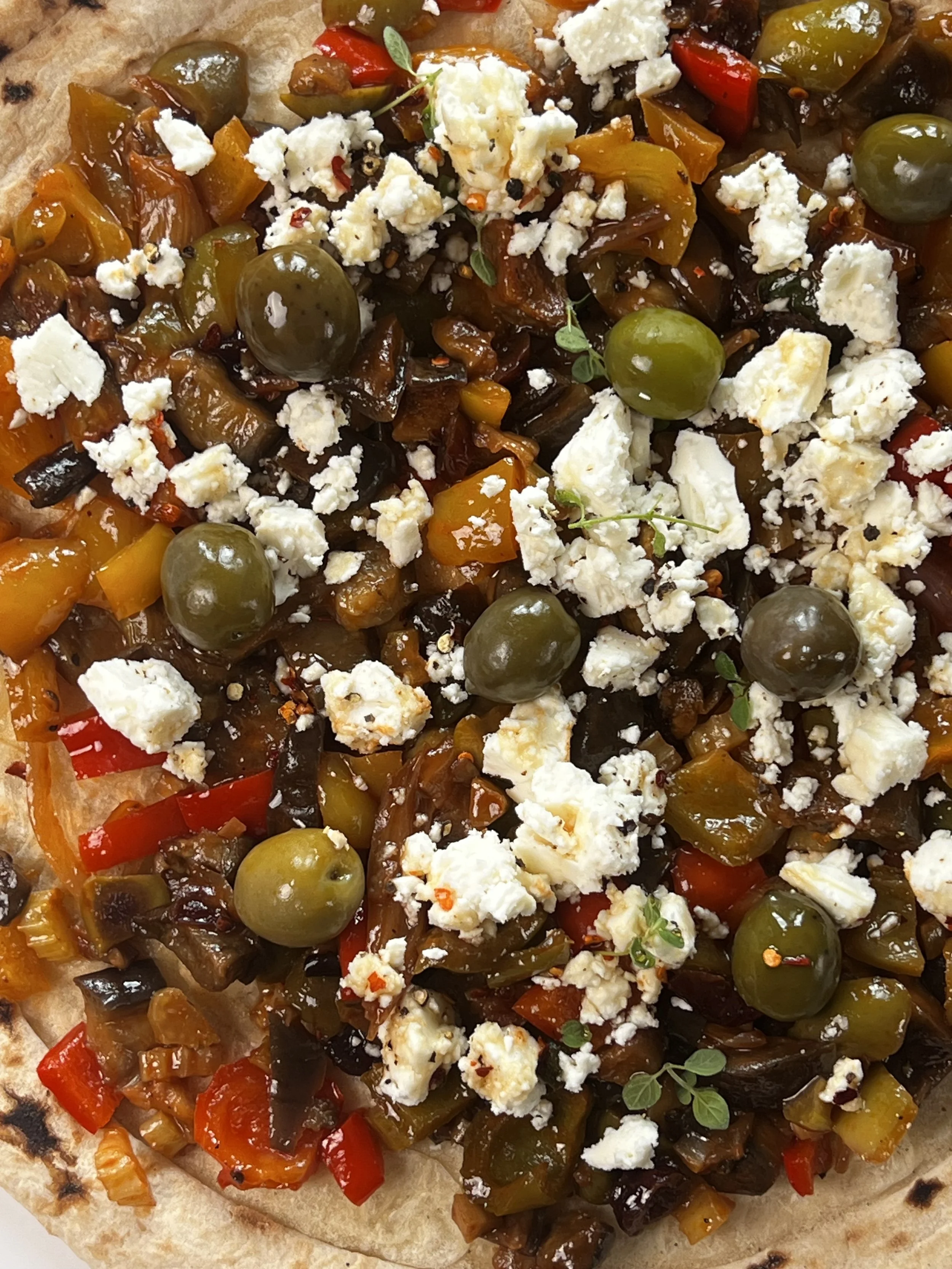
Feta Application Strategy Greek feta provides salt and tang that complements caponata's sweet-sour profile without overwhelming the vegetable flavors. The cheese's natural salinity eliminates need for additional seasoning while providing protein content.
Maple Chili Glaze Technique Applied post-baking to preserve heat sensitivity of both maple sugars and chili compounds. This food formulation services approach prevents burning while maintaining aromatic intensity.
Commercial Recipe Development Applications
For Mediterranean Restaurants with Pizza Programs: Your daily vegetable prep creates tomorrow's signature toppings. Caponata utilizes vegetable trimmings and seasonal overflow while creating premium menu positioning.
Integration Examples:
Summer eggplant abundance → caponata pizza specials
Pepper prep overflow → preserved topping components
Seasonal vegetable variations → rotating signature offerings
For Pizza-Focused Operations: Batch caponata preparation creates consistent premium toppings that justify higher menu pricing while maintaining excellent food costs.
Authentic Mediterranean Positioning: Customers increasingly seek authentic cultural experiences over fusion novelty. Caponata pizza tells Sicily's preservation story while delivering complex flavors that justify premium pricing.
Seasonal Menu Integration:
Summer: fresh preparation emphasis
Fall: preservation technique focus
Winter: comfort food positioning
Spring: renewal and traditional technique celebration
Operational Efficiency:
Batch caponata preparation serves multiple menu applications:
Pizza toppings
Antipasti offerings
Pasta sauce components
Sandwich filling applications
Quality Consistency: Traditional preservation techniques create stable flavor profiles that survive commercial holding periods, staff turnover, and seasonal ingredient variations.
Labor Optimization: Advance preparation during slow periods creates efficiency during busy service times. One technique provides multiple menu applications.
Equipment Integration: Uses standard commercial kitchen equipment. No specialized purchases required for traditional technique implementation.
Traditional Wisdom Meets Modern Margins
Sicilian Cooking Philosophy: Transform simple ingredients through time and technique rather than expensive additions. Create complex flavors through process mastery, not premium sourcing.
Modern Commercial Application: should maximize ingredient value through technique application rather than raw material costs.
Customer Experience: Traditional preservation techniques create flavor complexity that customers recognize as authentic and premium, justifying higher menu pricing.
Innovation Through Cultural Respect
While competitors add expensive imports and call it "gourmet," you're proving that traditional preservation techniques create better customer experiences and improved profitability.
This caponata pizza demonstrates that the best commercial innovations often come from understanding why traditional techniques work and adapting them for modern operational requirements.
For Restaurant Operators: Every traditional technique in cuisine represents a commercial recipe development opportunity. The question isn't whether traditional methods fit modern kitchens - it's how to adapt time-tested solutions for contemporary success.