Shrimp Toast in Niseko: When Buying "Waste" Saves You Money
Why whole shrimp cost less and taste better than the cleaned ones you've been buying
There's a moment in every kitchen renovation project where you realize you've been doing something backwards for years. For me in Niseko, it happened while looking at shrimp prices.
Cleaned white shrimp (ebi): ¥2,800 per kilo Whole white shrimp with heads and shells: ¥1,400 per kilo
Same shrimp. Half the price. The only difference? You have to peel them yourself - and you get all those "waste" shells and heads that most kitchens throw away.
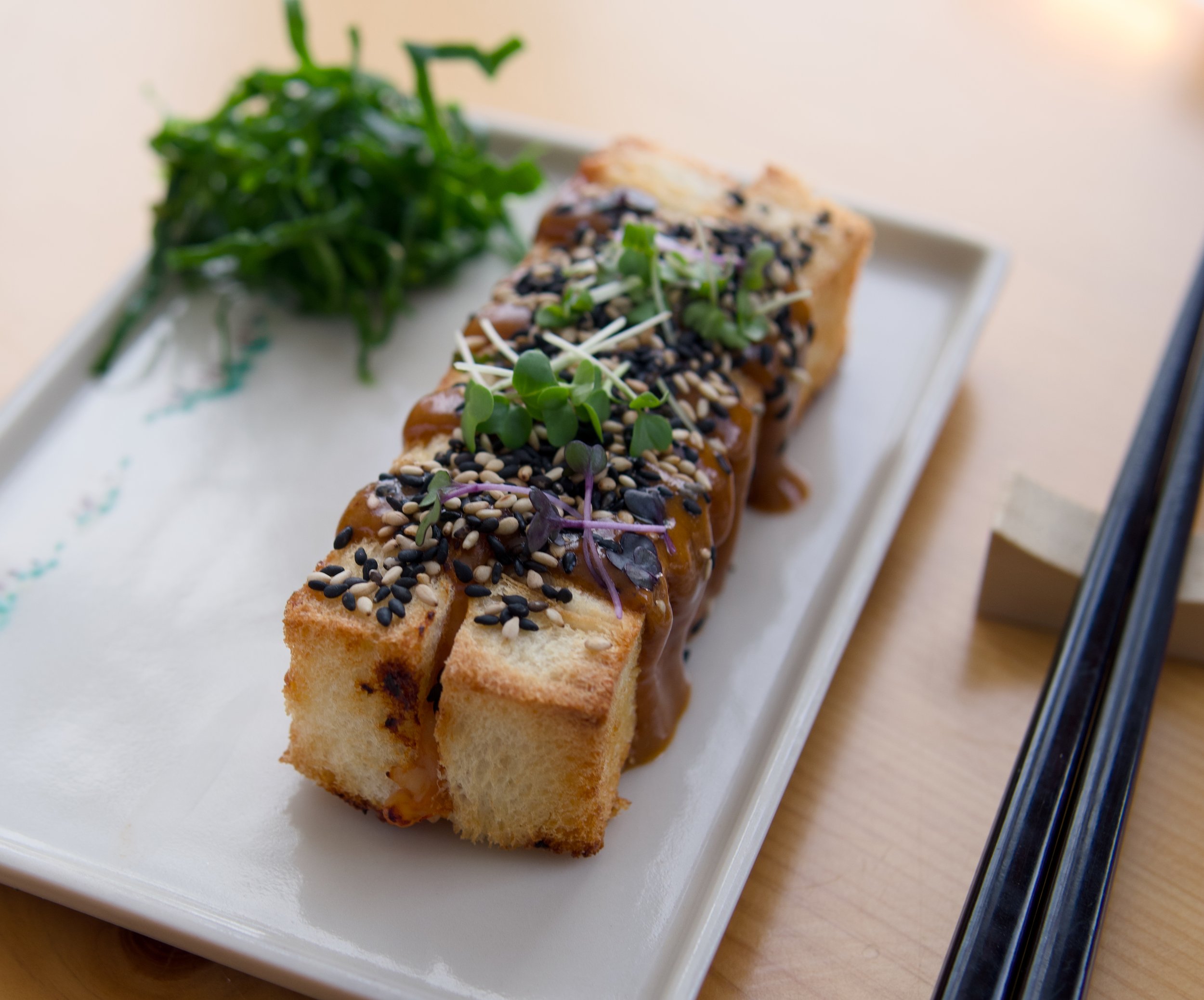
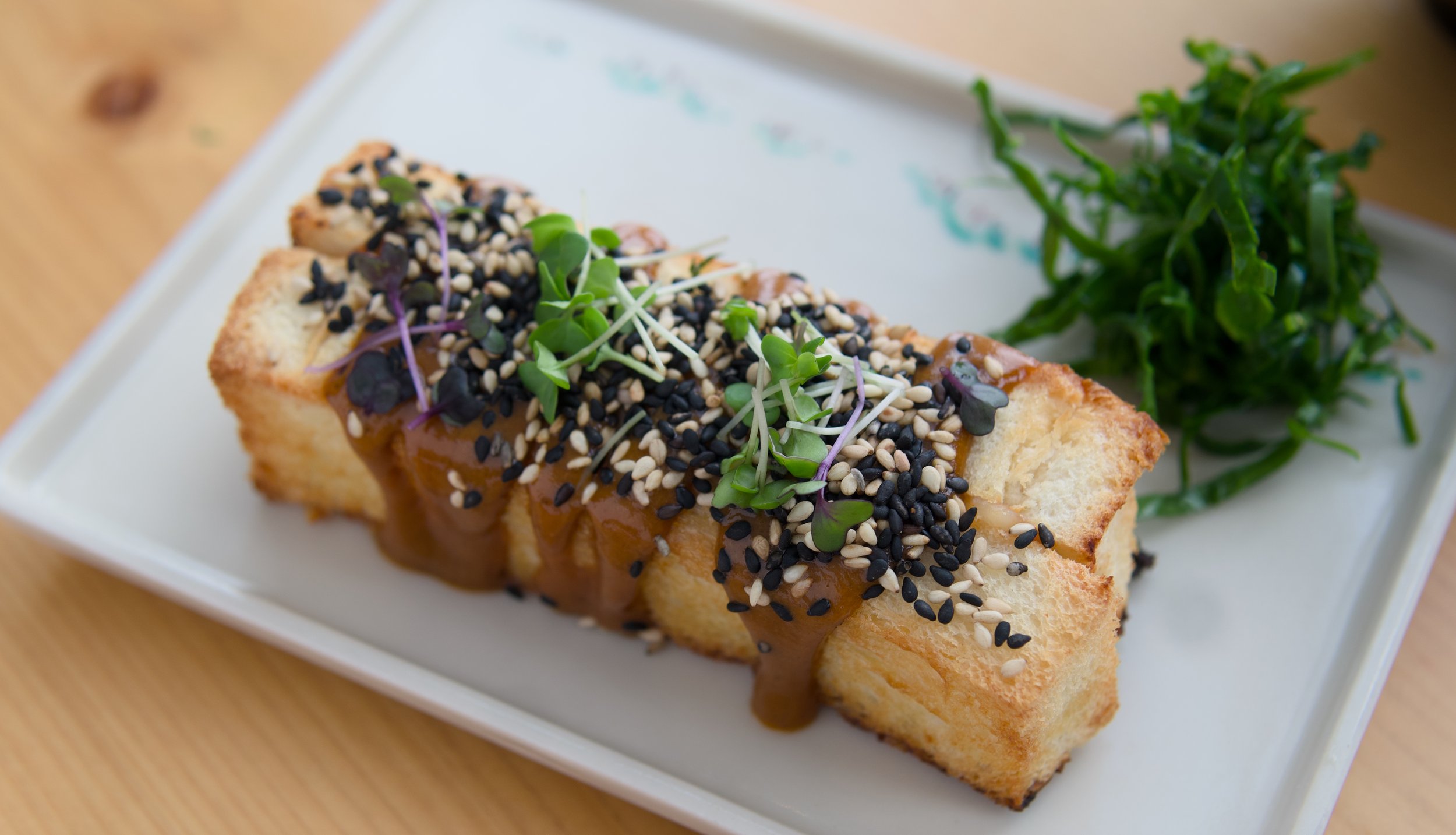
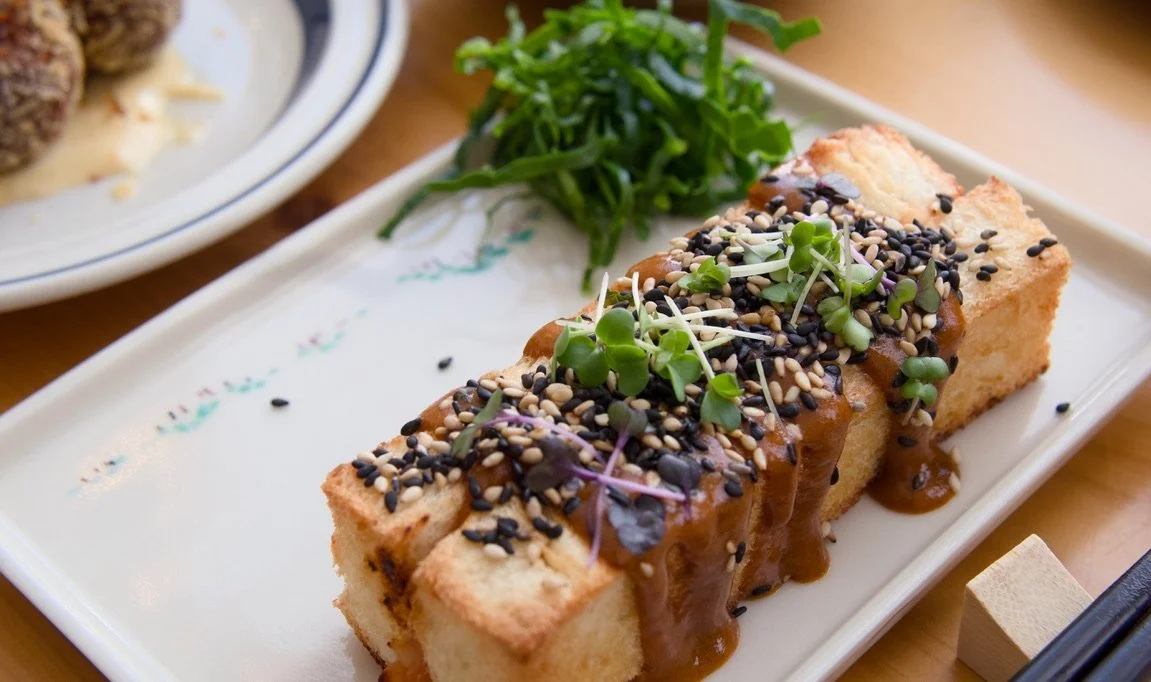
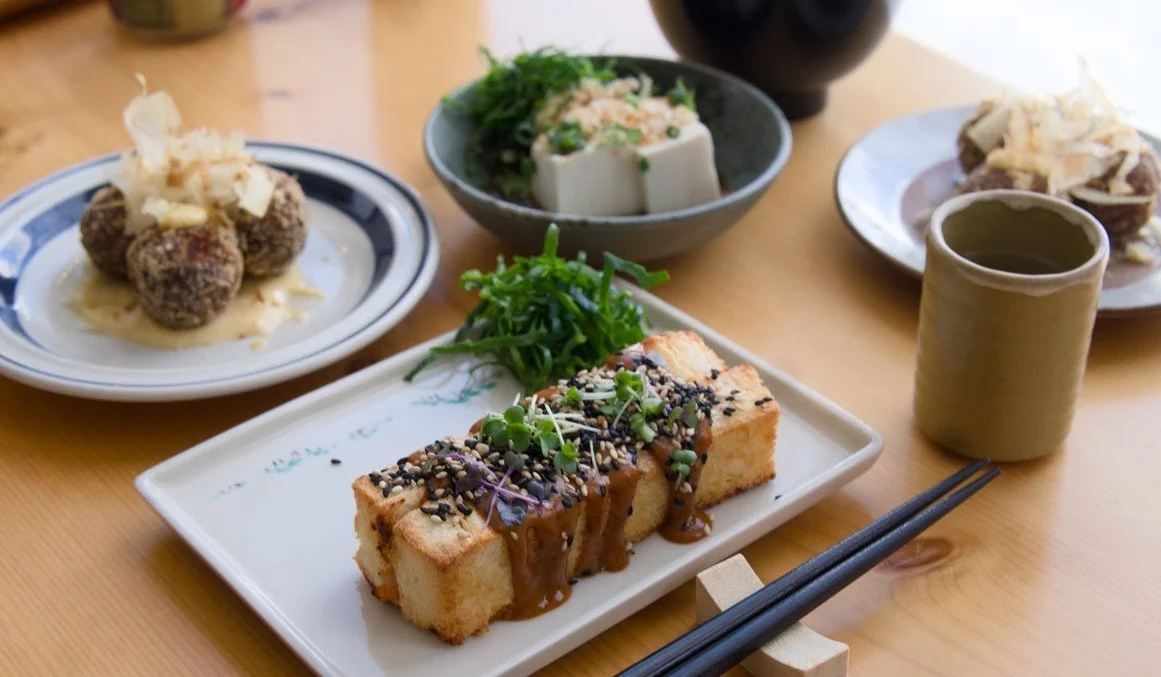
At Milky House Country Inn, we turned that "waste" into one of our most popular starters: shrimp toast with a bisque sauce that costs nothing extra to make because we're using parts that would otherwise go in the bin.
Hokkaido Winter Shrimp: A Quick Guide
Working in Niseko during winter gave me access to shrimp varieties you rarely see outside Hokkaido. Here's what we were working with:
Shiro Ebi (White Shrimp)
Season: Year-round, peak in winter
Size: Small to medium, 5-7cm
Flavor: Delicate, sweet, clean
Best use: Paste, mousses, toast filling
What we used for this dish
Botan Ebi (Button Shrimp/Spot Prawn)
Season: September to May
Size: Large, 10-15cm
Flavor: Rich, sweet, almost buttery
Best use: Sashimi, grilled whole
Price: 3-4x more than shiro ebi
Ama Ebi (Sweet Shrimp)
Season: Winter peak
Size: Medium, 8-10cm
Flavor: Very sweet, firm texture
Best use: Raw preparations, nigiri
Price: 2x shiro ebi
Hokkai Shrimp (Hokkaido Red Shrimp)
Season: Spring to summer (not available during our winter work)
Noted for reference
For this toast, shiro ebi made perfect sense - affordable, abundant in winter, and the right size for creating a smooth paste.
The Shrimp Paste: Simple Japanese Flavors
Once you peel the shrimp (save every shell and head - we'll use them), the filling is straightforward:
Base Ingredients:
Raw peeled shiro ebi, roughly chopped
Sake for moisture and flavor
Mirin for subtle sweetness
Sesame oil for nutty richness
Touch of potato starch for binding
The Yuzu Sake Addition:
Here's where we added something special. Regular sake works fine, but we used yuzu sake - sake infused with yuzu citrus. It's not expensive or fancy, just sake with yuzu juice and peel.
The citrus brightness cuts through the richness of shrimp and sesame oil while adding aromatic complexity you don't get from plain sake. Just a small amount - maybe 2 tablespoons per 300g of shrimp paste.
Mixing Technique:
Pulse everything in a food processor until you get a paste consistency - not completely smooth, you want some texture. The starch helps bind everything so the paste holds together during cooking without affecting the delicate shrimp flavor.
The Bisque: Where "Waste" Becomes Profit
This is the part that changed how I think about food product formulation in restaurant kitchens.
Those shells and heads you saved? They're about to become a sauce that would cost ¥800-1,200 per liter if you had to buy shrimp stock. But you're making it from something you'd normally discard.
Seaweed Butter Base:
We make our own seaweed butter at Milky House (that's probably another blog article), but the technique is simple: blend dried kombu powder into softened butter, let it infuse for 24 hours, strain if needed.
This seaweed butter goes in the pan first. Toast the shrimp shells and heads in it over medium-high heat until they turn deep pink and smell incredible - maybe 4-5 minutes.
The Ice Trick:
Here's a classic bisque technique that many restaurants don't know: add ice cubes to the toasted shells.
As the ice melts, it creates a quick temperature shock that helps release impurities and any proteins that would make your bisque cloudy or bitter. The shells sizzle, the ice melts, and you're left with cleaner, purer shrimp flavor.
Umeshu Instead of Brandy:
Traditional French bisque uses brandy or cognac for the deglazing. We used umeshu - Japanese plum wine.
Umeshu is made from green ume plums steeped in alcohol and sugar. It's sweet, tart, slightly nutty, and has this incredible stone fruit complexity. When you add it to hot shrimp shells, it releases aromatic compounds you simply cannot get from brandy.
The umeshu brings sweetness and nuttiness that complements shrimp better than Western spirits. Plus, we had it in the bar, so why not use it?
Quick Reduction - Don't Overcook:
This is important: shrimp shell bisque should not simmer for hours like beef stock.
After adding umeshu, add just enough water to cover the shells (maybe 500ml for shells from 1kg of whole shrimp). Bring to simmer and cook for only 8-10 minutes.
Why so short? Shrimp shells develop intense, almost fishy aromas after prolonged cooking. We want fresh sea flavors, not the overwhelming smell of overcooked seafood.
After 10 minutes, strain immediately through fine mesh. You'll have maybe 300-400ml of concentrated, aromatic bisque base.
Emulsification:
While the bisque is still hot, mount it with a bit more seaweed butter - maybe 30-40g per 300ml of liquid. Whisk constantly until emulsified into a glossy sauce.
This creates the coating consistency you need for drizzling over the finished toast. It should coat a spoon but still flow smoothly.
The Bread: Shokupan
What is Shokupan:
Japanese milk bread, called shokupan, is softer and slightly sweeter than Western sandwich bread. It has a fine, pillowy crumb that's perfect for absorbing fillings without becoming soggy.
We bought ours from a local bakery in Niseko, but any quality milk bread or even potato bread works.
Assembly:
Slice the shokupan about 3cm thick. Cut a pocket into each slice without cutting all the way through - you're creating a cavity for the shrimp paste.
Pack the paste generously into the pocket. Don't be shy - you want the paste to almost overflow slightly.
Cut each stuffed slice into 3 equal pieces. This gives you nice bite-sized portions that cook evenly.
Cooking Method:
We used our rational oven (combi oven) at 240°C with dry heat. Home kitchens can use a regular oven or even a hot skillet.
Brush each piece with regular butter (or more seaweed butter if you have it) before cooking. This creates the golden crust and prevents drying.
Cook for about 8-10 minutes until the bread is golden and crispy on the outside and the shrimp paste is just cooked through. The paste should still be slightly soft and creamy inside, not dry.
Plating and Finishing
The Sauce:
Warm bisque goes on the plate first - either pool it underneath the toast or drizzle it artistically across.
Toasted Seeds:
We used a mix of black and white sesame seeds, toasted until fragrant. Sprinkle generously over the toast pieces.
The sesame adds visual contrast (black seeds against golden toast) and textural crunch while echoing the sesame oil in the paste.
Fresh Herbs:
Fresh microgreens or herbs on top. We used a mix of shiso microgreens and daikon sprouts.
These add color, freshness, and a slight peppery bite that balances the rich shrimp and butter flavors.
What This Teaches About Menu Development
This dish became a perfect example of smart recipe development services in action - not because it's fancy, but because it solves multiple problems at once:
Cost Management:
Whole shrimp cost 50% less than cleaned
"Waste" shells become valuable sauce ingredient
One purchase creates two components (paste + bisque)
Labor Efficiency:
Shrimp paste prep happens during slow periods and can be frozen
Bisque makes in 10 minutes total and used as base for other dishes as well
Cooking takes 3 minutes during service
Menu Positioning:
Customers see elevated cooking technique
Presentation justifies premium starter pricing
This is what real restaurant menu development looks like in working kitchens - finding solutions that improve food quality while reducing costs and fitting within actual operational constraints.
The Universal Application: Bisque Beyond Shrimp
The technique we used for shrimp shells works for almost any seafood scrap in restaurant kitchens:
Lobster shells: Classic bisque application, works perfectly with brandy or umeshu Crab shells: Sweeter, more delicate than shrimp, reduce for even shorter time Fish bones: From your whole fish butchering, makes excellent fumet in 15 minutes Scallop skirts and roe: Often discarded, creates incredibly sweet bisque base
The principle is always the same:
Toast scraps in flavored butter or oil
Add ice for impurity release
Add aromatic alcohol
Quick simmer (timing depends on ingredient)
Strain and emulsify
Most restaurants are literally throwing away ingredients that could become profit centers. The shells from 5kg of whole shrimp create enough bisque for 40-50 portions of sauce at essentially zero ingredient cost.
Why This Matters for Japanese Restaurants
Working on pizza menu development and Italian cuisine for years, then switching to Japanese menu and recipe development in Niseko showed me something important: great cooking is universal, but the specific techniques are cultural.
This shrimp toast uses Japanese ingredients and cooking philosophy, but the underlying principle - using everything, wasting nothing, creating maximum value from each ingredient - applies to any cuisine.
The seaweed butter, yuzu sake, umeshu, and shokupan are specifically Japanese. But the technique of buying whole ingredients, using every part, and creating multiple menu components from one purchase? That's just smart sustainable menu development regardless of cuisine.
Back in Dublin, Thinking About Niseko
I'm writing this back in my Dublin kitchen, but I keep thinking about those winter mornings in Niseko - the local shrimp delivery arriving early, incredibly fresh.
The lesson wasn't about shrimp specifically. It was about looking at every ingredient purchase and asking: "What else can this become?"
Those shells taught me more about recipe engineering than any culinary school lesson. Not because the technique is complicated - it's actually quite simple. But because it forced me to see value where I'd been trained to see waste.
That's what working in real restaurant kitchens teaches you. Theory says "make shrimp toast with cleaned shrimp." Reality says "whole shrimp cost half as much and give you twice as many components if you know what to do with them."
The tiny Niseko kitchen forced creativity. And sometimes, the best innovations come from working within constraints rather than unlimited resources.