Why Neapolitan Fried Meatballs Became My Lesson in Zero-Waste Restaurant Practice
The Monday marenna taught me more about smart menu development than years of culinary school
The first time I made proper Neapolitan polpette fritte in a professional kitchen, I realized I'd been doing meatballs wrong my entire career.
Not technically wrong - the meat was good, the technique was sound. But I was missing the entire philosophy behind why this dish exists, which made me miss how to actually use it in a restaurant context.
Here's what I didn't understand until much later: Neapolitan fried meatballs aren't a recipe. They're a system. A way of handling protein that maximizes value, minimizes waste, and creates multiple menu items from a single Sunday preparation.
The Sunday Rhythm Of Neapolitan Ragu’
In Naples, meatballs were never meant to be a single dish. They were part of a larger system - the Sunday ragù day.
The adult meal followed a specific rhythm: PRIMO course (pasta dressed in the ragù sauce), then SECONDO course (the meat that had spent the morning simmering in it), eaten separately as befits proper respect for each component.
Meatballs existed in this system but didn't follow the same path as the braised cuts. Some got fried separately. A few went into the sauce for the kids' plate (who got everything piled together because they didn't have patience for two courses). Most stayed fried.
The smell alone - meatballs frying in lard or pork fat - would draw whoever was standing closest. They'd eat straight from the pan before they ever made it to the table.
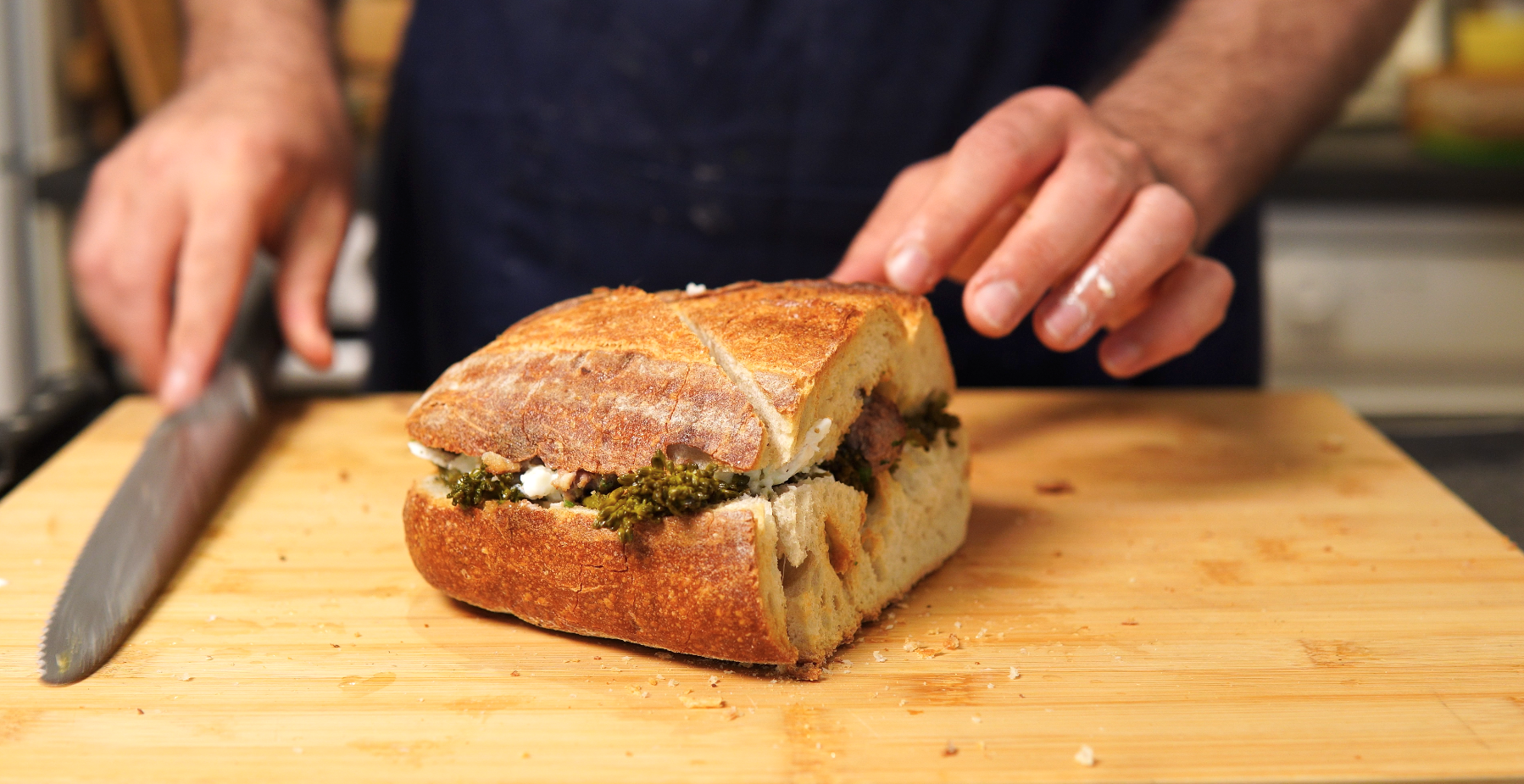
Whatever survived the Sunday chaos became something else entirely Monday morning: the marenna. Crushed into bread with broccoli rabe, mozzarella, and the rendered fat from frying.
This isn't a recipe you'd find written down in Naples.
Understanding the Ingredient Choices
Every element in proper Neapolitan meatballs solves a specific problem - or follows a historical reason that solves a problem.
The Bread (Almost Half the Weight):
Stale sourdough or pane di campagna, soaked and squeezed nearly dry.
The amount surprises people - roughly 700g of bread to 1000g of meat. But this ratio is what separates Neapolitan meatballs from every other version. It comes from poor kitchen tradition, where bread stretched expensive meat while actually improving the final dish.
Pecorino Romano, Not Parmesan:
This detail matters more than people expect. Parmesan is milder, nutty, almost sweet. Pecorino Romano is sharp, intensely salty, with a bite that cuts through richness.
In a meatball where the bread provides moisture and binding, you need that aggressive salt and sharpness from Pecorino. Parmesan would disappear.
Raisins and Pine Nuts:
These appear in most Southern Italian cooking, but they shock people in meatballs specifically. Raisins soaked in wine (any decent wine, nothing special) soften and plump, adding subtle sweetness that balances the Pecorino's intensity.
Pine nuts add textural contrast and nutty complexity.
Coarse Grind Meat:
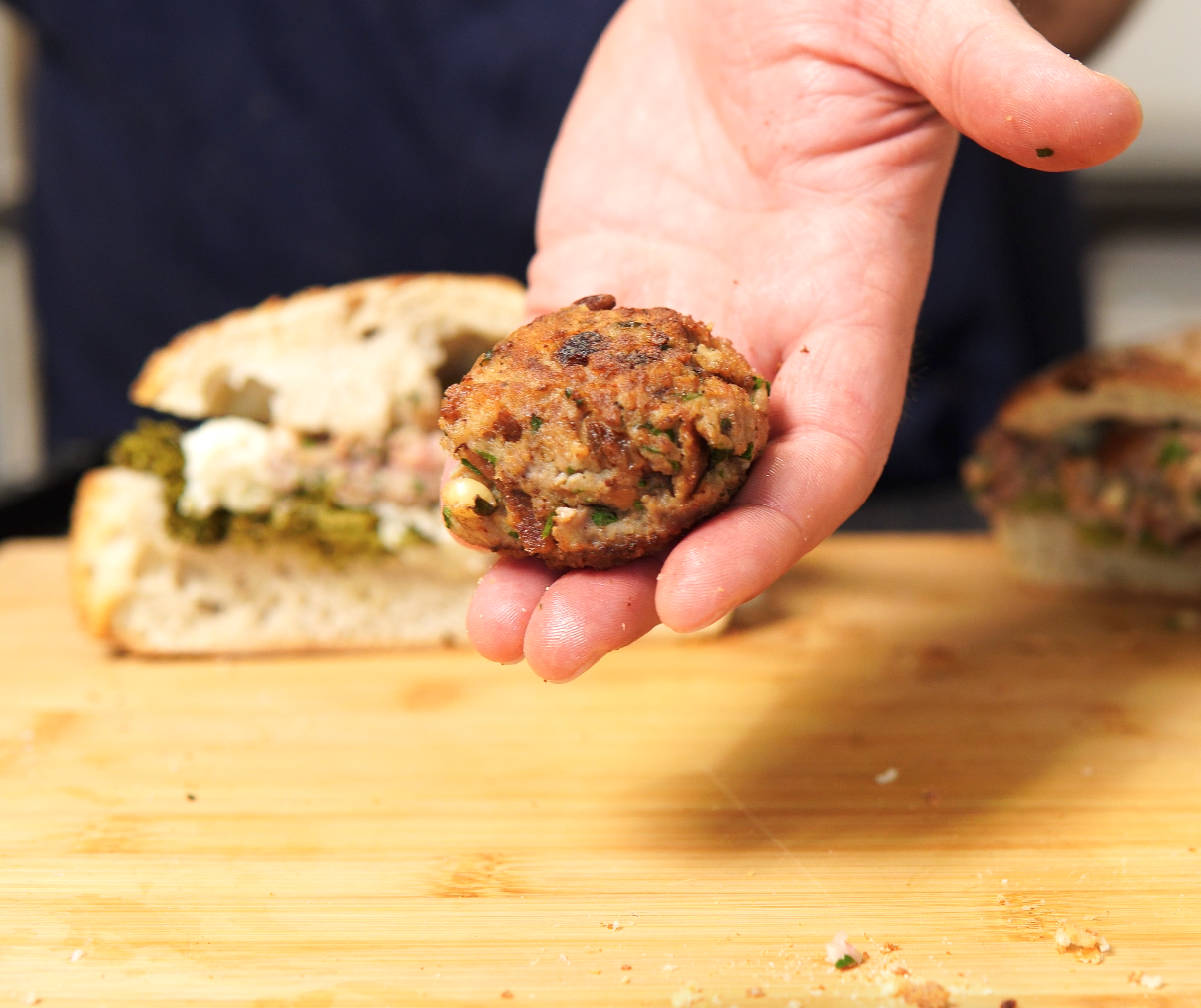
Most recipes grind meat fine, creating an almost paste-like consistency. Neapolitan technique keeps it coarse - one pass through the grinder on the largest setting.
The coarser grind creates small pockets of individual meat pieces throughout the meatball. When you fry it, these pieces render slightly differently than a paste would, creating better texture. When you eat it (especially crushed into bread), you get distinct meat texture instead of homogenized paste.
The Frying Technique: 165°C, 10 Minutes
Temperature matters here in a way people often ignore.
165°C in rendered pork fat or lard or in my case beef tallow as mostly available here in Ireland for about 10 minutes, turning occasionally until deeply browned on all sides.
Too hot and the exterior burns while the interior stays raw. Too cool and they absorb fat instead of crisping. 165°C is specific because it's the temperature where the exterior browns and crisps while the interior cooks through in about 10 minutes.
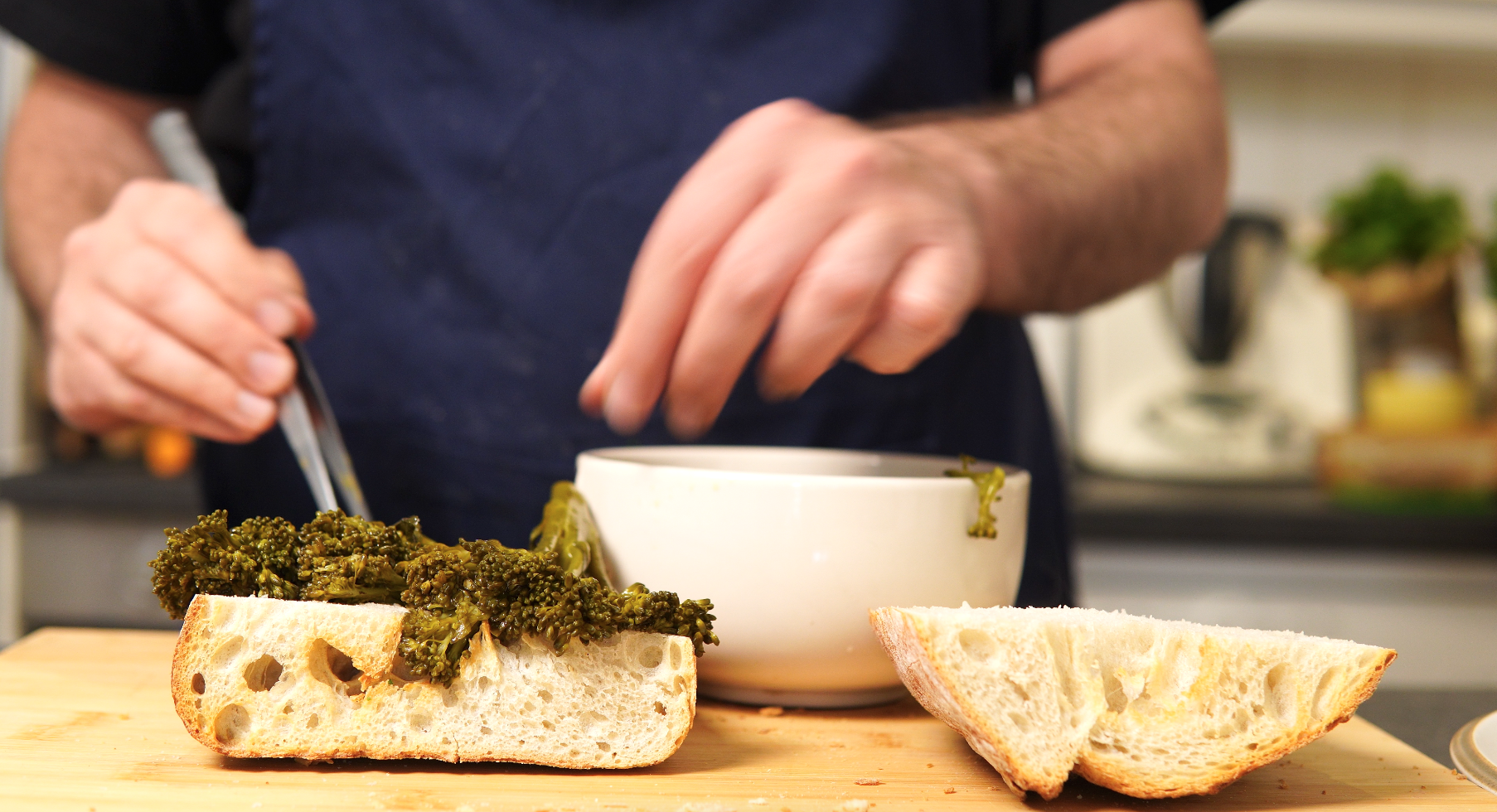
The Marenna: The Real Application
Sunday: Freshly fried meatballs, served as SECONDO or eaten from the pan
Monday: Marenna - the sandwich
The marenna uses:
Crusty bread - Sourdough works best
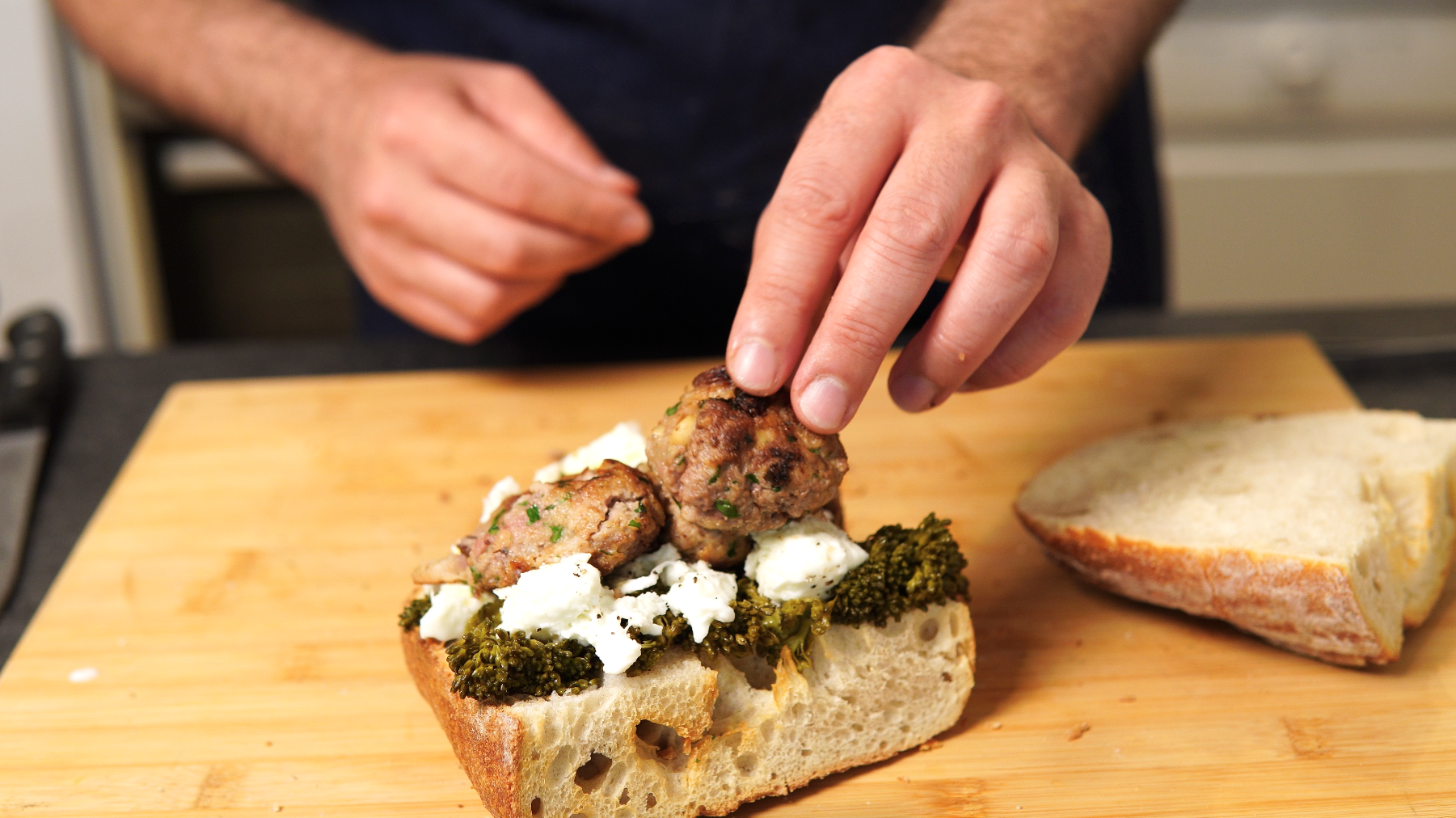
3-4 meatballs, crushed into the bread
Friarielli (broccoli rabe) sautéed with garlic and chilli
Fresh mozzarella, torn so it melts from residual heat
A squeeze of lemon juice because you need a proper amount of acidity with all those fatty elements.
The bread gets toasted in the same pan the meatballs were fried in - you're using the remaining fat for flavor and crispness.
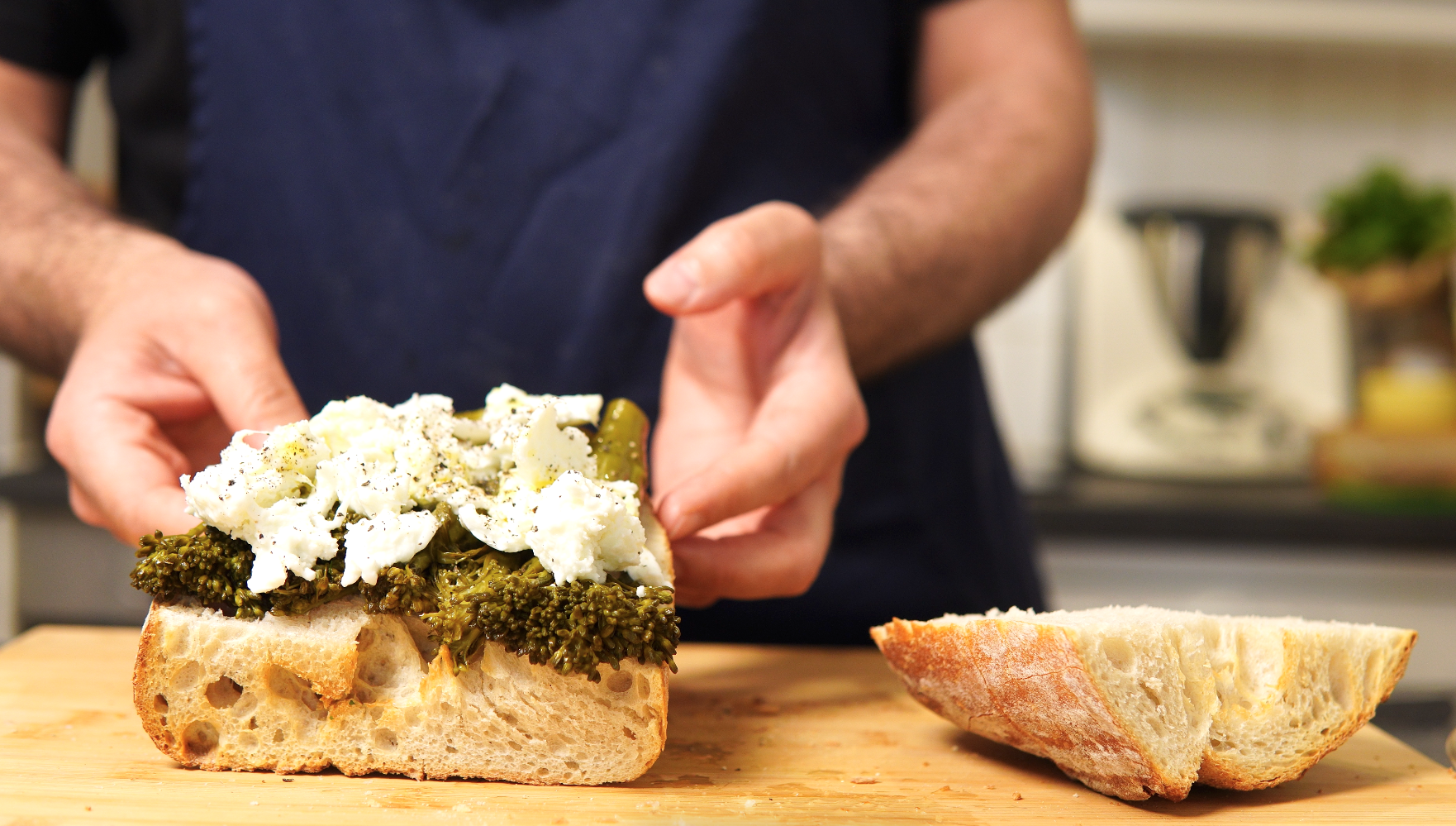
Technique and History That Matter
What makes these meatballs specifically Neapolitan isn't complexity. It's the specific combination of:
Coarse grind meat - texture, not paste
High bread ratio - moisture and binding ingredients
Pecorino Romano - sharp contrast,
Raisins and pine nuts - flavor dimension Fresh aromatics - Garlic, persley should be fresh and not dry
Rendered fat frying - flavor and temperature stability
What you’ll need
For the meatballs (makes about 24–28, enough for a small crowd or a week of sandwiches):
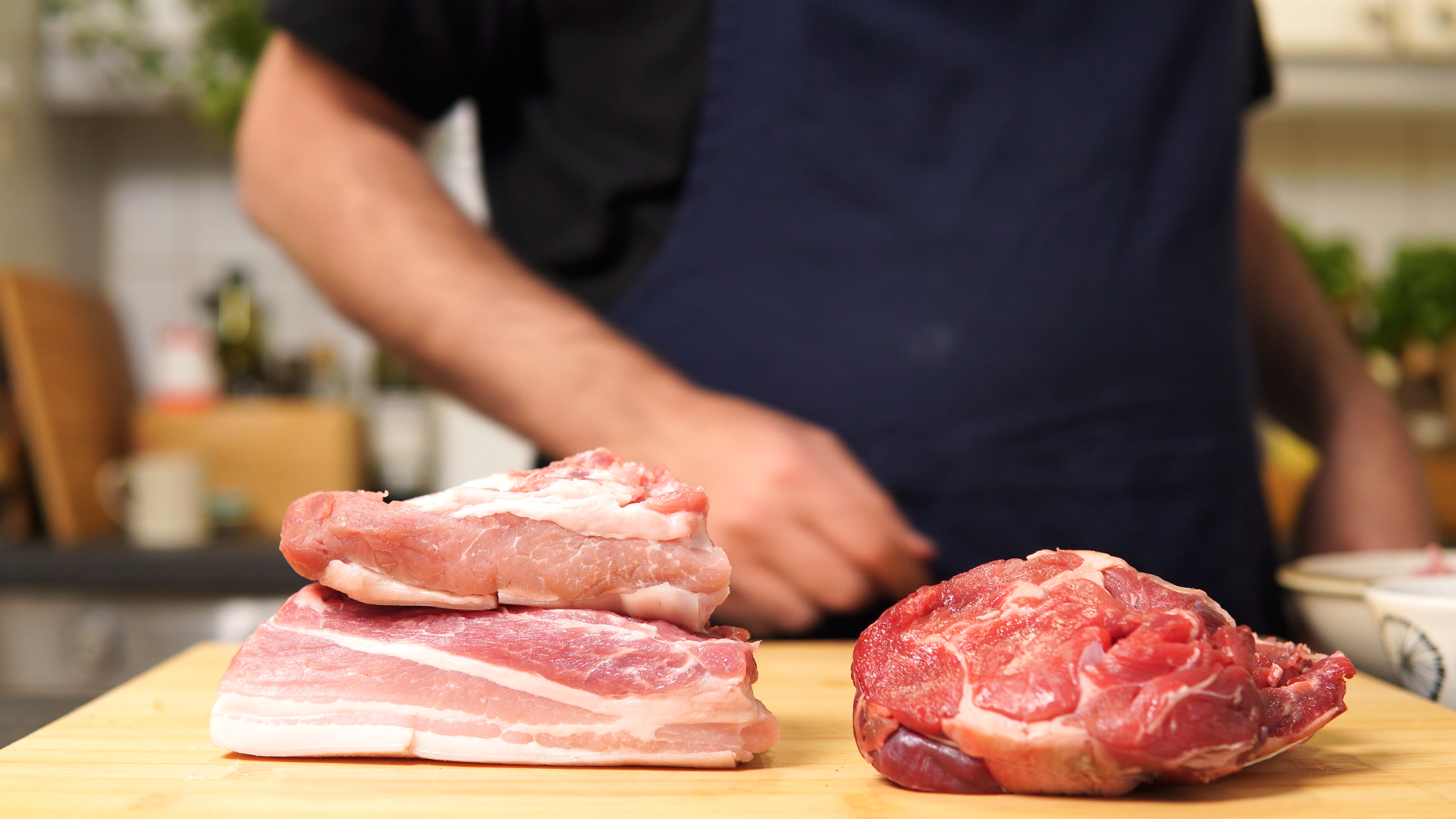
700g beef, coarsely ground
300g pork belly, coarsely ground
700g stale sourdough or pane di campagna, crusts on
4 large eggs
42g Pecorino Romano, grated
42g raisins, soaked in wine
21g pine nuts, toasted
2 garlic cloves
15g salt, black pepper
A handful each of parsley and basil, chopped
Lard, pork fat, or beef tallow, for frying
For the marenna (per sandwich):
1 crusty roll (pane cafone if you can get it, a good sourdough loaf if you can’t)
3–4 meatballs
A handful of friarielli (broccoli rabe), sautéed with garlic and a little chilli
40g mozzarella or fior di latte, torn
A spoon of the frying fat, or good olive oil
Method
Have your butcher grind the beef and pork belly once, on the coarsest setting, or chop it by hand.
Tear the stale bread into chunks and soak in plain water for 20 minutes, then squeeze out hard until almost dry.
In a large bowl, combine the meat, squeezed bread, eggs, pecorino, garlic, herbs, drained raisins, pine nuts, salt and pepper. Mix by hand just until it comes together, don’t overwork it.
Shape into balls, pressing the sides slightly flat.
Heat your fat to about 165°C in a pan. Fry the meatballs, turning a few times, for about 10 minutes, until deeply browned on all sides.
Sauté the friarielli in olive oil with a smashed garlic clove and a pinch of chilli, until wilted and a little charred at the edges.
Split the roll and warm it, cut side down, in the same pan the meatballs were fried in.
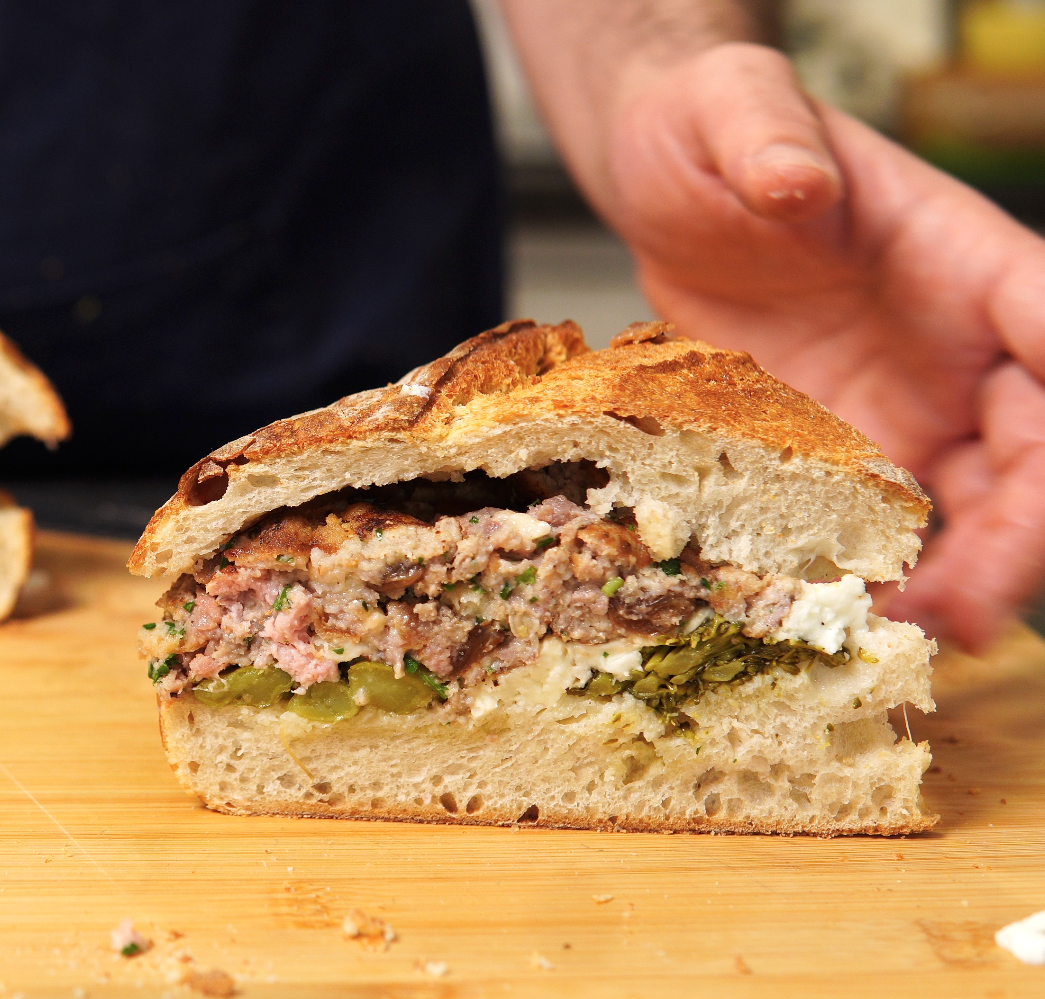
Crush 3–4 meatballs into the bread, spoon over the friarielli, tear the mozzarella on top so it melts from the residual heat, and close while it’s still hot.
Eat it standing up, over the sink if you have to. That’s how it’s meant to go.
Follow along on TikTok and Instagram for the videos behind every recipe. Also on YouTube.
Want the recipe before it goes live here? Subscribe on Substack — every dish, video included.
Based in Dublin and looking for a private chef, or help developing a menu? Get in touch.